


What are the recovery methods for knee pain caused by running?

Knee pain from running can generally be recovered through rest and reducing exercise volume, local cold or heat therapy, proper stretching and strengthening exercises, using assistive devices, and adjusting running gear and posture.具体分析如下:
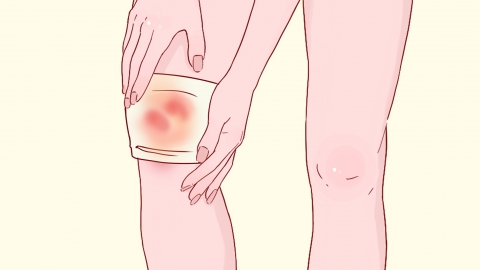
1. Rest and Reduce Exercise Volume: Stop high-intensity running, avoid prolonged standing or walking, and give the knee sufficient time to heal. Temporarily switch to low-impact activities such as walking or swimming to prevent increased knee strain and promote inflammation reduction.
2. Local Cold or Heat Therapy: During the acute phase of pain (within 48 hours), apply cold packs to reduce swelling and pain for 15–20 minutes per session. In the chronic phase (after 48 hours), use heat therapy to improve blood circulation, relax muscles, and aid in restoring normal knee function.
3. Proper Stretching and Strengthening Exercises: Stretch the front and back thigh muscles and calf muscles to relieve muscle tension. Perform wall sits and straight-leg raises to strengthen the muscles around the knee joint, enhance knee stability, and reduce the risk of recurrent pain.
4. Use of Assistive Devices: If pain is significant, wear a knee brace for support and to reduce knee pressure. When necessary, use anti-inflammatory and analgesic topical ointments under medical guidance to alleviate local inflammation and accelerate pain relief.
5. Adjust Running Gear and Posture: Replace shoes with better shock absorption and avoid overly rigid soles that increase knee impact. Adjust your running form by maintaining an upright posture, moderate stride length, and landing on the midfoot first to reduce stress on the knees.
Always warm up thoroughly before running and stretch afterward. Control running intensity and frequency according to individual capacity, avoiding sudden increases in exercise volume. If knee pain persists without improvement, seek medical evaluation promptly to rule out serious injuries.


