


How to perform respiratory examination in comatose patients

Generally, the assessment of breathing in unconscious patients mainly involves observing chest movements, feeling for airflow up close, listening to breath sounds, checking respiratory rate, and noting any abnormal signs. The details are as follows:
1. Observe chest movements
Keep the patient lying flat, with your line of sight level with the chest wall, and observe whether there is regular rise and fall of the chest or abdomen. During normal breathing, the chest expands during inhalation and contracts during exhalation. If the movement is weak or absent, it may indicate reduced or stopped breathing, requiring immediate intervention. Ensure that factors such as tight clothing do not interfere with observation so that accurate assessment can be made.
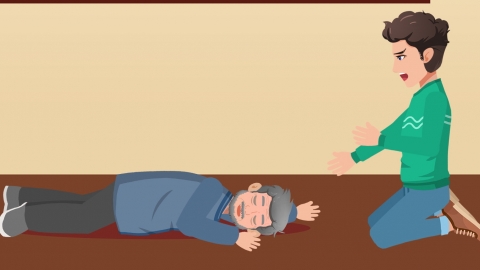
2. Feel for airflow up close
Bring your face close to the patient's nose and mouth, or lightly touch the back of the hand near these areas, to feel for exhaled air. At the same time, check whether there is mist forming around the lips, which can provide direct evidence of breathing. If no airflow or mist is detected, respiratory arrest may have occurred, and emergency measures should be taken immediately.
3. Listen to breath sounds
Place your ear close to the patient’s chest or back to listen to the sounds produced during breathing. Normal breath sounds are soft and even. Abnormal sounds such as stridor, snoring, or wheezing may indicate airway obstruction or lung pathology. Promptly clear any oral foreign bodies, adjust head position, and maintain an open airway.
4. Check respiratory rate
Gently press a finger on the patient’s radial artery at the wrist, count the pulse while observing breathing, or independently time the number of chest rises over one minute to calculate the respiratory rate. The normal adult respiratory rate ranges from 12 to 20 breaths per minute. Rates that are too fast or too slow are considered abnormal and may be related to hypoxia or metabolic disturbances, necessitating further diagnostic evaluation.
5. Note abnormal signs
Observe the color of the patient’s lips and fingernails. Cyanosis (bluish discoloration) indicates oxygen deficiency and is closely associated with impaired respiratory function. Also watch for irregular depth or rhythm of breathing, which may reflect severe dysfunction of the central nervous system or respiratory system. In such cases, contact medical professionals immediately.
In addition, maintain a quiet environment during assessment to avoid interference. If breathing abnormalities are detected, perform initial airway-opening maneuvers while awaiting emergency help to buy time for subsequent treatment. Unconscious patients require continuous monitoring by designated personnel to ensure real-time control and stability of their respiratory status.


