


What are the symptoms of febrile seizures and convulsions?
Nov 24, 2025
Source: Cainiu Health

Dr. Ren Yi
Introduction
Febrile seizures commonly occur in infants and young children, typically accompanying high fever. Typical symptoms include loss of consciousness, tonic-clonic limb movements, abnormal facial color, unusual eye movements, and altered mental status after the episode. These symptoms often arise during a rapid rise in body temperature. It is important to closely monitor body temperature in patients with fever, and particularly in febrile infants and young children, prompt measures should be taken to reduce body temperature.
Febrile seizures commonly occur in infants and young children, typically accompanying high fever. The typical symptoms mainly include loss of consciousness, limb stiffness and convulsions, abnormal complexion, unusual eye movements, and post-episode abnormalities. A detailed analysis is as follows:
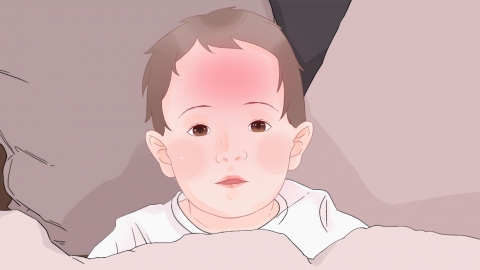
1. Loss of consciousness: During the seizure, the patient suddenly loses consciousness and does not respond to verbal calls or external stimuli. Some infants may first experience a brief period of staring before rapidly losing awareness. This unconscious state usually lasts from several seconds to a few minutes and rarely exceeds 15 minutes. Consciousness gradually returns after the episode ends.
2. Limb stiffness and convulsions: The limbs may become rigid or exhibit rhythmic jerking movements. Convulsions commonly affect the arms, legs, and facial muscles, such as alternating flexion and extension of the arms, clenched fists, or twitching at the corners of the mouth. The intensity of convulsions varies among individuals; some patients may only show mild localized twitching.
3. Abnormal complexion: The patient's face often shows noticeable changes during the seizure, appearing pale or flushed. In severe cases, temporary breathing disturbances can lead to cyanosis (bluish discoloration) of the lips. These complexion changes are related to disrupted breathing rhythms and circulatory fluctuations caused by muscle contractions, and they gradually return to normal after the seizure subsides.
4. Abnormal eye behaviors: The eyes may stare fixedly, deviate sideways, or roll upward, with a blank, unfocused gaze. Some patients may also experience eyelid fluttering, tearing, or nystagmus (involuntary eye movement). These ocular symptoms reflect abnormal electrical discharges in the nervous system and typically occur simultaneously with limb convulsions, resolving together as the seizure ends.
5. Post-ictal abnormalities: After the seizure stops, the patient does not immediately return to normal. Common manifestations include drowsiness and lethargy. Infants may become irritable, cry excessively, or cling to caregivers.
These symptoms often occur during rapid rises in body temperature. It is important to closely monitor body temperature in febrile patients, especially young children, and promptly initiate cooling measures when fever develops. During a seizure, place the patient on their side and loosen tight clothing around the neck to prevent choking. During recovery, ensure adequate rest and provide light, easily digestible meals to support physical recovery.




