


Is it good to apply sulfonamide crystalline powder to wounds?
Nov 24, 2025
Source: Cainiu Health

Dr. Wang Lei
Introduction
In general, whether it is appropriate to apply sulfonamide crystalline powder to a wound depends on the specific condition of the wound. If sulfonamide crystalline powder is needed, the amount should be carefully controlled. During treatment, monitor the wound for signs of infection such as increased redness, swelling, or discharge, as well as allergic reactions like skin redness, swelling, or itching. Seek immediate medical attention if any abnormalities occur.
Generally, whether it is appropriate to apply sulfonamide crystalline powder to a wound depends on the specific condition of the wound. The detailed analysis is as follows:
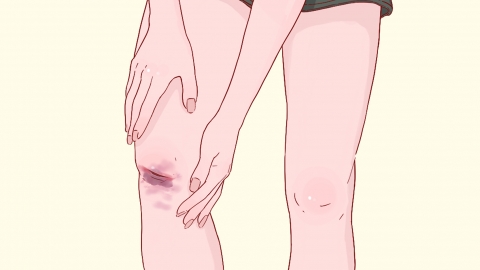
For superficial, clean wounds with no significant exudate and without redness, swelling, or signs of infection in the surrounding skin, sulfonamide crystalline powder may be used under medical guidance. Such wound conditions are less conducive to bacterial growth, and the medication can exert a local antibacterial effect, helping prevent infection, promote wound drying and scab formation, and accelerate the healing process—especially suitable for minor abrasions or cuts.
It is not advisable to use sulfonamide crystalline powder on deep, heavily contaminated wounds or those with substantial exudate. Deep wounds often create an anaerobic environment, and the drug may increase tissue irritation and potentially mask signs of infection. Exudate can dilute the medication, reducing its effectiveness, or even cause the powder to clump, obstructing wound drainage, exacerbating local inflammatory responses, and making healing more difficult.
If sulfonamide crystalline powder is required, the dosage should be carefully controlled. During treatment, monitor the wound for worsening redness or swelling, increased exudate, or other signs of infection, as well as allergic reactions such as skin redness, itching, etc. If any abnormalities occur, seek medical attention immediately.




