


What should I do if my hand is scalded by boiling water and blisters form?

Generally, when a hand is scalded by boiling water and blisters form, the main management methods include continuous rinsing with cold water, avoiding puncturing the blister, covering the area with sterile gauze, applying local cold compresses for pain relief, and using medications as directed by a doctor. If discomfort symptoms occur, it is recommended to seek timely medical treatment at a正规 hospital. Specific analysis is as follows:
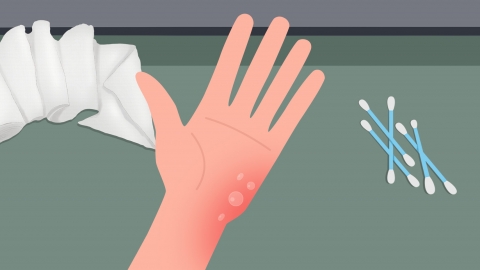
1. Continuous Rinsing with Cold Water
After a scald from hot water, residual heat can continue to damage skin tissue. Cold water rapidly removes localized heat, reducing thermal damage to deeper tissues. Rinse the affected area under flowing cold water (15–25°C) for 20–30 minutes. The water flow should not be too strong, and direct impact on the blister should be avoided.
2. Avoid Puncturing the Blister
The blistered skin acts as a natural protective barrier, shielding the wound from external contaminants and preventing infection. Puncturing it arbitrarily breaks this barrier, increasing the risk of infection and potentially causing moisture loss from the wound, which delays healing. Small blisters are usually absorbed naturally and do not require special treatment.
3. Covering with Sterile Gauze
After rinsing, gently cover the wound with sterile gauze to minimize exposure to air, protecting it from dust and bacterial contamination. Handle gently during application—do not press hard, to avoid rupturing the blister. Keep the gauze clean and dry, and change it regularly.
4. Local Cold Compress for Pain Relief
If significant pain persists after rinsing, wrap an ice pack in sterile gauze and apply it above the injured area for cold compression. Low temperature helps reduce sensitivity of nerve endings and alleviates pain. However, ensure the ice pack does not come into direct contact with the skin to prevent frostbite.
5. Use Medications as Directed by a Doctor
When the skin surface is intact, burn ointment may be applied under medical guidance. These medications form a protective film and promote wound healing. If the blister accidentally ruptures, disinfect the area with iodophor first, then apply an antibacterial ointment to prevent infection. Do not use irritating medications without medical advice.
In daily care, maintain hand hygiene, avoid exposing the wound to water or friction, and wear waterproof gloves when doing household chores to protect the injured area. Diet-wise, consume foods rich in vitamin C and protein, such as oranges and eggs, to support skin repair. Seek immediate medical attention if symptoms such as enlarging blisters, redness and swelling of the wound, fluid leakage, or fever develop, to prevent the spread of infection.


