Can patients with acute pancreatitis eat pears?
Nov 24, 2025
Source: Cainiu Health

Dr. Gao Jun
Introduction
In general, whether patients with acute pancreatitis can eat pears depends on the stage of the disease and their specific physical condition. If any discomfort occurs, prompt medical attention is recommended. Patients with acute pancreatitis must strictly follow their doctor's dietary advice and adjust their diet appropriately according to the different stages of the illness. During periods of unstable condition or when severe complications are present, fasting is required.
In general, whether patients with acute pancreatitis can eat pears depends on the stage of the disease and their specific physical condition. If discomfort occurs, prompt medical attention is recommended. The detailed analysis is as follows:
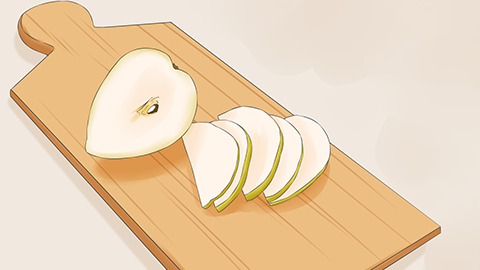
During the recovery phase, when abdominal pain, nausea, and other symptoms have completely subsided and serum amylase levels have returned to normal, patients may consume small amounts of pear. At this point, digestive function gradually recovers. Pears are rich in vitamins and water, which help replenish nutrients. However, the skin and core should be removed, and the fruit should be cut into small pieces and eaten at room temperature to avoid gastrointestinal irritation from cold temperatures. After eating, monitor for any adverse reactions.
During the acute phase, when patients experience severe abdominal pain, vomiting, fever, or other symptoms, eating pears is strictly prohibited. At this stage, the pancreas is in a state of congestion and edema, and strict fasting is required to allow the pancreas to rest. The sugar and dietary fiber in pears can stimulate pancreatic juice secretion, increasing the burden on the pancreas and potentially worsening the condition or prolonging recovery time.
Patients with acute pancreatitis must strictly follow their doctor's dietary recommendations and adjust their diet appropriately according to the different stages of the illness. When the condition is unstable or serious complications are present, treatment should primarily involve fasting and gastrointestinal decompression. Diet can be gradually reintroduced only after the condition improves.