


How to handle a sprain in an emergency
Nov 24, 2025
Source: Cainiu Health

Dr. Wang Lei
Introduction
Sprains are mostly caused by sudden twisting or stretching of a joint, leading to ligament injury. Emergency management aims to quickly control the progression of the injury, with key steps including immediate rest and immobilization, prompt cold application to reduce swelling, appropriate compression bandaging, elevation of the affected limb to facilitate fluid drainage, and avoidance of incorrect practices. Before engaging in daily physical activities, adequate warm-up exercises and proper sports equipment should be used to reduce the risk of sprains.
Sprains are mostly caused by sudden twisting or stretching of a joint that results in ligament damage. Immediate treatment is essential to quickly control the progression of the injury, with key steps including prompt rest and immobilization, timely cold application to reduce swelling, proper compression bandaging, elevating the injured limb for drainage, and avoiding incorrect practices. A detailed explanation is as follows:
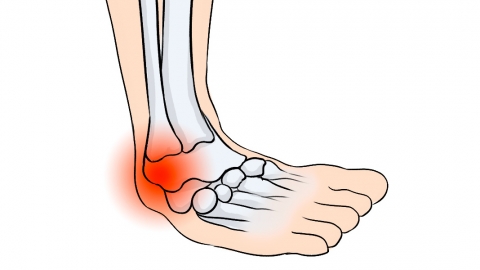
1. Immediate Rest and Immobilization: After a sprain, stop all movement of the injured limb immediately. Avoid walking, bearing weight, or rotating motions to prevent further tearing of the ligaments. Sit or lie down on the spot and use items such as sticks or cardboard as temporary splints to stabilize the limb, keeping the joint in a natural, comfortable position to minimize the risk of secondary injury.
2. Timely Cold Application to Reduce Swelling: The first 48 hours after injury are the golden period for cold therapy. Wrap an ice pack or cold towel in a cloth and apply it to the sprained area for 15–20 minutes at a time, repeating every 1–2 hours. Low temperature helps constrict blood vessels, reducing bleeding and fluid leakage into tissues, thereby alleviating swelling and pain.
3. Proper Compression Bandaging: Wrap an elastic bandage from the distal end (farther from the body) toward the proximal end (closer to the body) of the injured area. Apply moderate pressure—tight enough so that only one finger can fit underneath—not too tight to avoid impairing blood circulation. Compression supports the joint, limits movement, and helps reduce swelling.
4. Elevate the Injured Limb for Drainage: Raise the injured limb above heart level. For example, when sitting, place a sprained ankle on a low stool; when lying down, use pillows to elevate the leg. Gravity assists in promoting blood and tissue fluid return, accelerating the reduction of swelling. Maintain elevation for at least 30 minutes per session, repeat several times daily.
5. Avoid Incorrect Practices: Do not rub or massage the sprained area after injury, as these actions may worsen local bleeding and increase swelling. Avoid heat application and topical use of blood-activating and stasis-resolving ointments within the first 48 hours, as they may dilate blood vessels and increase fluid exudation.
Before engaging in daily exercise, ensure adequate warm-up and wear appropriate sports gear to reduce the risk of sprains. During recovery from a sprain, perform rehabilitation exercises under medical guidance to gradually restore joint flexibility and muscle strength, preventing functional deterioration due to prolonged immobilization.




