


What should I do if my tongue is scalded by boiling water?

Under normal circumstances, the main measures for treating a tongue scalded by boiling water include immediate cooling, oral cleaning, medication for symptom relief, dietary adjustments, and local protection. A detailed analysis is as follows:
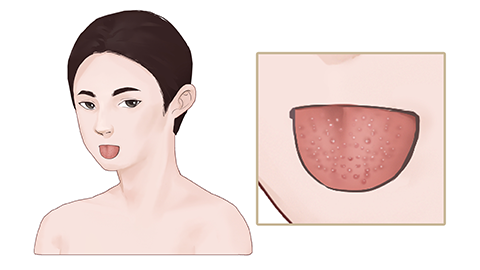
1. Immediate Cooling
Rinse the mouth with cool or ice water immediately, holding it in place for 3 to 5 minutes before spitting it out; this process can be repeated multiple times. Tongue mucosa is delicate, and boiling water can quickly cause deep tissue damage. Low temperatures help remove heat from the affected area promptly, stopping ongoing thermal injury to the mucosa, relieving pain, and reducing blister formation. Avoid rinsing with hot or irritating liquids, which may worsen mucosal damage.
2. Oral Cleaning
Gently rinse the mouth with mild physiological saline solution 2–3 times daily. The oral cavity harbors dense bacteria, and damaged mucosal barriers after scalds are prone to infection. Saline helps clean food debris and bacteria from the wound surface, providing a clean environment for mucosal healing. Be gentle during rinsing to avoid aggressive scrubbing of the injured area.
3. Medication for Symptom Relief
Medication should be used under medical guidance. For significant pain, topical application of compound benzocaine gel may be helpful. To prevent infection, chlorhexidine mouthwash can be used. To promote mucosal healing, Xiangfuxin liquid (Recovery New Liquid) can be taken orally, or recombinant human epidermal growth factor gel can be applied topically.
4. Dietary Adjustments
Avoid spicy, hot, hard, and acidic foods in the short term. These foods can directly irritate the scalded area, increasing pain and inflammatory response, and may even cause wound breakdown. Opt for cool or lukewarm, soft, liquid, or semi-liquid foods such as porridge, well-cooked noodles, and juice to minimize friction and irritation to the wound.
5. Local Protection
Avoid biting or repeatedly licking the injured area with teeth or tongue, as mechanical trauma may delay healing or lead to secondary infection. Speak slowly and reduce the range of oral movements to allow the injured site adequate rest and accelerate regeneration and repair of the mucosa.
In addition, follow prescribed medications as directed during treatment and closely monitor changes in the wound. If symptoms such as pus formation, increased pain, fever, or difficulty swallowing occur, seek medical attention promptly. A healthcare professional will assess the condition and adjust the treatment plan accordingly to ensure proper wound healing.


