


Which burn ointment is most effective?
Nov 25, 2025
Source: Cainiu Health

Dr. Liu Wenmin
Introduction
Generally speaking, there is no definitive answer to the question of "which burn ointment works best." The choice of burn ointment should be based on specific circumstances. Commonly used ointments include Jingwanhong ointment, silver sulfadiazine cream, fusidic acid cream, recombinant bovine basic fibroblast growth factor gel, and erythromycin ointment. The wound should be cleaned before applying any ointment, and self-medication should be avoided. Seek medical attention if the burn covers a large area or if fever develops.
Generally speaking, there is no definitive answer to the question of "which burn ointment works best," as the choice of burn ointment should be based on specific circumstances. Commonly used options include Jingwanhong Ointment, Silver Sulfadiazine Cream, Fusidic Acid Cream, Recombinant Bovine Basic Fibroblast Growth Factor Gel, and Erythromycin Ointment. The details are as follows:
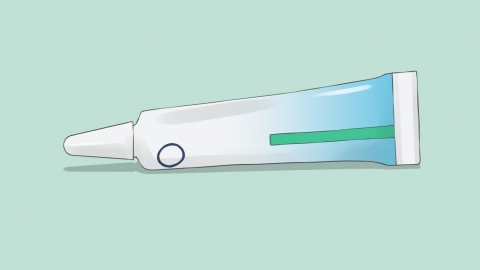
1. Jingwanhong Ointment
Composed of traditional Chinese herbs such as *Radix Sanguisorbae* (Diyu), *Angelica sinensis* (Danggui), and *Prunus persica* (Taoren), this ointment promotes blood circulation, detoxification, reduces swelling and pain, removes necrotic tissue, and stimulates new tissue growth. It helps relieve pain after burns, improves local blood circulation at the wound site, promotes shedding of dead tissue, and supports the growth of new tissue. It is suitable for minor scalds and burns with ulcerated wounds.
2. Silver Sulfadiazine Cream
This is a sulfonamide antimicrobial ointment that combines the antibacterial properties of sulfadiazine with the astringent effects of silver salts. It inhibits Gram-positive bacteria, Gram-negative bacteria, and fungi, reducing the risk of wound infection. It also helps dry out the wound and promote scab formation. It is suitable for mild to moderate burns and already infected wounds.
3. Fusidic Acid Cream
A topical antibiotic that works by inhibiting bacterial protein synthesis, particularly effective against Gram-positive bacteria, especially *Staphylococcus*. It is used for burn wounds complicated by bacterial infection, effectively controlling infection and removing obstacles to wound healing.
4. Recombinant Bovine Basic Fibroblast Growth Factor Gel
The active ingredient is recombinant bovine basic fibroblast growth factor, which promotes cell proliferation and differentiation in wound tissues, accelerates granulation tissue formation, and epithelial cell regeneration. It is suitable for superficial partial-thickness to deep partial-thickness burn wounds, helping shorten healing time and reduce scar formation.
5. Erythromycin Ointment
A commonly used macrolide antibiotic that inhibits bacterial protein synthesis to suppress bacterial growth. It has a broad antimicrobial spectrum and is effective against various Gram-positive and some Gram-negative bacteria. It is suitable for preventing infection in minor burn wounds, and is affordable and easy to use.
Before applying any ointment, the wound should be cleaned properly—do not self-medicate without professional advice. Seek immediate medical attention if the burn covers a large area or if symptoms such as fever or pus develop. In daily life, avoid high-temperature sources, take proper precautions, and minimize the risk of burns.







