


What medical examinations should be done after being bitten and drawing blood by someone?

After being bitten by a person and bleeding occurs, the following examinations are generally required: wound assessment, complete blood count (CBC), infectious disease screening, tetanus antibody testing, and local imaging studies. Specific details are as follows:
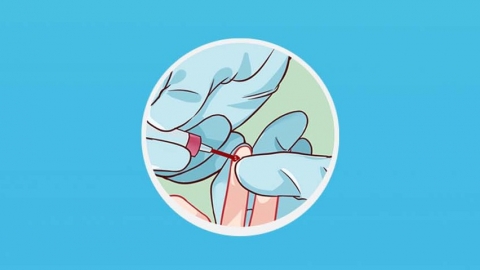
1. Wound examination: The doctor will carefully examine the location, size, depth, and degree of contamination of the wound to determine whether any foreign bodies remain or if there is severe tissue damage, providing a basis for further management.
2. Complete blood count (CBC): By measuring indicators such as white and red blood cells, this test helps identify signs of infection in the body. Elevated white blood cell count may indicate that the wound has already caused an infection.
3. Infectious disease screening: Human bites can transmit infections such as hepatitis B, hepatitis C, HIV, and syphilis. Testing for specific antibodies or antigens allows early detection of possible infection, enabling timely preventive and control measures.
4. Tetanus antibody testing: The oral environment is complex, making bite wounds prone to tetanus bacillus infection. Testing the level of tetanus antibodies in the body determines whether antibody levels are sufficient; if inadequate, prompt administration of tetanus vaccine or tetanus immunoglobulin is necessary.
5. Local imaging studies: If the wound is deep or if fractures or retained foreign bodies are suspected, imaging tests such as X-ray or ultrasound can clearly reveal internal structures and assist in diagnosis.
After being bitten and bleeding, one should promptly go to the hospital and provide the doctor with a detailed account of the injury. Cooperate with all recommended examinations and receive appropriate treatment based on results. Do not attempt self-treatment, as this may delay proper care and worsen outcomes.


