


How should a leg burn caused by a motorcycle exhaust pipe be treated?

Generally, the treatment for leg burns caused by a motorcycle exhaust pipe mainly includes immediate cooling, wound cleaning, medical intervention, dressing protection, and nutritional support. The details are as follows:
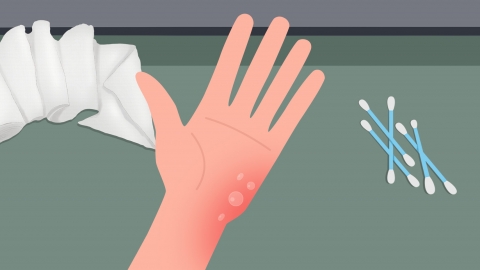
1. Immediate Cooling
Immediately move away from the heat source and rinse the burned area continuously with cool running water for 20 to 30 minutes, keeping the water temperature between 15 and 20 degrees Celsius. Motorcycle exhaust pipes reach extremely high temperatures, allowing heat to penetrate deeply into tissues. Cold water rapidly removes residual heat, halting further thermal damage to tissues, effectively relieving pain, and reducing tissue exudation. Handle gently during rinsing to avoid friction on the wound.
2. Wound Cleaning
Gently clean the wound and surrounding skin with sterile saline solution or medical iodophor to remove residual dirt and grease. Burns from exhaust pipes often involve foreign substances adhering to the skin; proper cleaning reduces the risk of bacterial infection and lays the foundation for wound healing. After cleaning, avoid leaving the wound exposed directly to prevent contamination from external sources.
3. Medical Intervention
Select medications based on specific symptoms. To prevent infection, topical applications such as compound polymyxin B ointment or silver sulfadiazine cream may be used. For significant wound pain, take ibuprofen sustained-release tablets or acetaminophen tablets as directed by a physician. To promote wound healing, recombinant bovine basic fibroblast growth factor gel can be applied.
4. Dressing Protection
Cover the wound with sterile gauze or breathable, burn-specific dressings, replacing them daily or every other day. Dressings help secure medication in place, absorb exudate, create a moist environment conducive to healing, and shield the wound from external irritants and bacterial invasion, thereby minimizing secondary injury.
5. Nutritional Support
Adjust your diet to include more high-quality protein-rich foods such as fish, chicken, and soy products, along with fresh fruits and vegetables rich in vitamins, such as apples and broccoli. Adequate nutrition provides essential building blocks for skin tissue repair, enhances the body’s regenerative capacity, and accelerates wound healing.
In addition, follow medical instructions carefully during treatment. Do not puncture blisters yourself or apply irritating substances. If signs such as redness, swelling, pus formation at the wound site, fever, or worsening pain occur, seek immediate medical attention so that a healthcare professional can adjust the treatment plan accordingly.


