


What should I do if my toe is cut and has a small wound with slight bleeding?

Generally, when a toe is cut with a small wound and minor bleeding, the main management methods include immediate hemostasis, cleaning and disinfection, wound protection, medication, and daily care. The details are as follows:
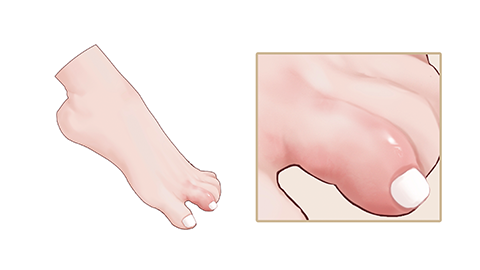
1. Immediate Hemostasis
Apply gentle pressure to the wound using sterile gauze or a clean medical cotton ball for 3 to 5 minutes to stop local blood flow and promote clotting. Avoid frequently lifting the dressing to check the wound during this process, as it may interfere with platelet aggregation and compromise effective hemostasis. After stopping the bleeding, wait a moment to ensure there is no ongoing oozing before proceeding to the next steps.
2. Cleaning and Disinfection
Gently rinse the wound with saline solution or running water to remove surface dirt and residual blood, reducing the risk of infection. After rinsing, use a medical iodine solution (iodophor) to disinfect in a spiral motion from the center of the wound outward. Ensure the disinfected area extends at least 5 cm around the wound to create a sterile environment conducive to healing.
3. Wound Protection
After the iodine has dried, cover the wound with a breathable sterile bandage or sterile gauze to prevent direct friction from socks or shoes that could cause secondary injury. Choose appropriately sized dressings that conform to the contour of the toe, ensuring they are not wrapped too tightly, which could impair circulation and delay healing.
4. Medication
If signs of redness, swelling, or mild pain appear, topical antibiotics such as fusidic acid cream or clindamycin gel may be used as directed by a healthcare provider to prevent infection. If significant itching occurs during healing, antihistamines such as loratadine capsules or levocetirizine hydrochloride tablets may be taken under medical guidance to relieve symptoms and prevent scratching, which could reopen the wound.
5. Daily Care
Keep the wound and surrounding skin dry. Use a waterproof protective cover during bathing to avoid moisture exposure. Wear loose, breathable footwear and socks to minimize pressure on the toe. In terms of diet, consume more protein- and vitamin-rich foods such as eggs, milk, and leafy green vegetables to support tissue repair.
Seek medical attention promptly if increased wound discharge, worsening pain, or other concerning symptoms develop.


