


How to treat a third-degree burn on the back caused by a hot iron block

In general, the treatment methods for third-degree burns caused by a hot metal object on the back mainly include immediate cooling, professional wound debridement and dressing, anti-infective medication, wound repair therapy, and systemic supportive care. The details are as follows:
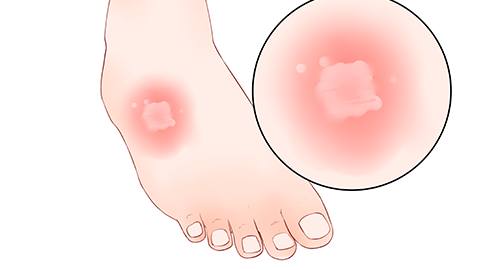
1. Immediate Cooling
Immediately remove the source of heat and rinse the affected area continuously with clean, running cold water for 20 to 30 minutes to rapidly dissipate local heat and reduce ongoing thermal damage to deeper tissues. Avoid rubbing the burn during rinsing to prevent skin loss. If clothing is adhered to the wound, do not forcibly remove it; leave the adhered portion intact and await medical management.
2. Professional Debridement and Dressing
Timely transfer to a hospital's burn unit, where a physician will remove necrotic tissue and foreign debris to minimize infection risk. After debridement, the wound should be covered with sterile gauze or specialized burn dressings and secured with compression bandaging. This protects the wound from external contamination while maintaining a moist healing environment conducive to tissue repair.
3. Anti-Infective Medication
Follow medical advice when using anti-infective agents. Topical application of silver sulfadiazine cream or mupirocin ointment can help prevent infection. If signs of infection develop, oral antibiotics such as cefixime tablets or amoxicillin-clavulanate potassium tablets may be prescribed. For patients at risk of allergic reactions, loratadine hydrochloride capsules may be used to relieve symptoms.
4. Wound Repair Therapy
Third-degree burns are deep and often require surgical intervention to promote healing. Common procedures include autologous skin grafting and xenogeneic skin grafting. Postoperatively, recombinant human epidermal growth factor gel may be applied to stimulate epidermal cell regeneration and accelerate wound healing. During treatment, avoid pressure on the wound and maintain good ventilation over the back area.
5. Systemic Supportive Care
Ensure adequate nutritional intake, emphasizing foods rich in protein and vitamins to provide essential building blocks for wound healing. Get sufficient rest and avoid fatigue, while maintaining fluid and electrolyte balance. If the patient has underlying conditions such as hyperthyroidism or hypothyroidism, these must also be properly managed concurrently.
In addition, patients should follow medical instructions for regular dressing changes and follow-up visits to monitor wound healing. Seek immediate medical attention if abnormalities such as fever or increased wound exudate occur, so that treatment can be adjusted promptly to prevent disease progression.


