


What should I do if I scrape my leg on a metal ladder?

Generally, the main methods for treating a leg abrasion from an iron ladder include cleaning and disinfection, hemostasis and protection, medication, daily care, and medical treatment. Specific analysis is as follows:
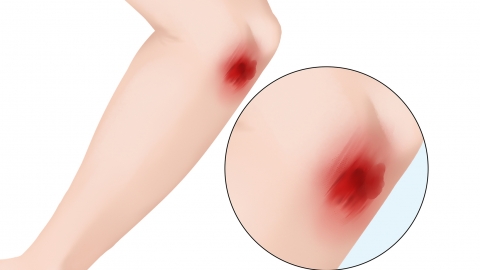
1. Cleaning and Disinfection
Immediately after the abrasion, rinse the wound with running water to remove surface contaminants such as dust and rust. After rinsing, apply medical iodine tincture to the wound and surrounding skin for disinfection, preventing bacterial growth and infection, and establishing a clean foundation for wound healing. Avoid directly applying alcohol to the inside of the wound, as it may irritate tissues and increase pain.
2. Hemostasis and Protection
If the wound is oozing blood, gently press it with sterile gauze or a clean cotton swab for several minutes to stop the bleeding. After hemostasis, cover the wound with sterile dressing to keep it dry, reduce external friction and contamination, and provide a stable environment for wound repair. Avoid wrapping the wound with unclean cloth to prevent secondary infection.
3. Medication
When the wound becomes red, swollen, and painful, topical antibiotics such as mupirocin ointment or erythromycin ointment may be applied as directed by a physician to prevent infection. If itching occurs during the healing process, antihistamines such as cetirizine hydrochloride tablets or fexofenadine hydrochloride tablets may be used under medical guidance to relieve symptoms and avoid scratching, which could impair healing.
4. Daily Care
Keep the wound and surrounding skin clean and dry, and change dressings regularly. In terms of diet, consume more foods rich in vitamin C and protein, such as fresh fruits and vegetables and lean meat, to support skin tissue repair. At the same time, minimize excessive movement of the injured leg to avoid stretching the wound and delaying healing.
5. Medical Treatment
If the wound is deep, continues to bleed, or shows signs of infection such as increased redness and swelling, pus discharge, or fever, seek medical attention promptly. The doctor will perform appropriate treatments such as debridement or suturing based on the wound condition, and may administer tetanus antitoxin if necessary to ensure safe wound healing.
Superficial, clean wounds can be managed at home, but deep wounds, contaminated wounds, or individuals with incomplete immunization must seek professional medical care. Proper management reduces the risk of infection and accelerates healing.


