


What is the role of scalding sesame oil?

Under normal circumstances, the proper use of sesame oil after a burn can provide supportive care effects. Its main benefits include isolating and protecting the wound, relieving burning pain, moisturizing skin tissue, reducing water loss, and assisting wound healing. Detailed explanations are as follows:
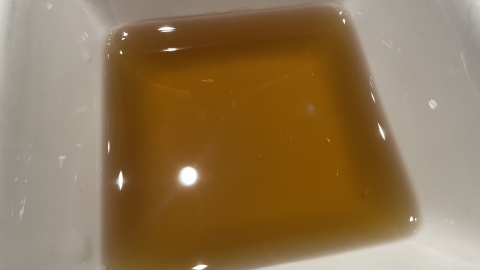
1. Isolating and protecting the wound: When applied, sesame oil forms a thin oily film over the burned area, which helps isolate the wound from bacteria and pollutants in the air and dust. This prevents external irritants from directly affecting damaged skin, thereby reducing the risk of infection and creating a relatively clean environment for skin repair.
2. Relieving burning pain: The oil components in sesame oil have mild soothing properties. When covering the wound, they reduce the sensitivity of nerve endings in damaged skin, alleviating the burning sensation and stinging pain caused by burns. For mild redness without skin breakage, this analgesic effect is particularly noticeable and can quickly relieve discomfort.
3. Moisturizing skin tissue: Sesame oil is rich in nutrients such as unsaturated fatty acids. After application, it slowly penetrates the surface layer of the wound, providing moisture and nourishment to damaged skin cells. This helps prevent tightness and cracking due to dryness and supports the maintenance of basic physiological conditions in skin tissue.
4. Reducing water loss: Burns damage the skin barrier, making it easier for moisture at the wound site to evaporate, leading to dryness and rapid scabbing. The oily film formed by sesame oil effectively locks in moisture, reduces evaporation, and maintains a relatively moist environment at the wound site.
5. Assisting wound healing: Through combined effects of isolation, protection, moisture retention, and nutritional support, sesame oil creates favorable conditions for wound healing. It aids in the gradual regeneration and repair of damaged skin cells, accelerates the healing process of minor burns, and reduces post-healing issues such as dryness and flaking.
It should be noted that sesame oil is only suitable for mild, superficial burns. If blisters have ruptured, the burn area is large, or pain is severe, standard first aid procedures should be performed immediately. When using sesame oil, ensure it is clean and hygienic, and avoid using rancid or spoiled oil that may irritate the wound.


