


What is the best body position for a patient in shock?

Shock patients can generally adopt positions such as the semi-Fowler's position, supine position, Trendelenburg position, lateral position, or semi-sitting position. Specific details are as follows:
1. Semi-Fowler's position: Elevate the patient's upper chest by 10 to 20 degrees and raise the lower limbs by 20 to 30 degrees. Elevating the upper chest helps maintain airway patency and increases venous return; raising the lower limbs promotes venous blood return, increases cardiac output, and improves shock symptoms.
2. Supine position: The patient lies flat on the bed with the head turned to one side. This is suitable for early-stage or mild shock, helping reduce physical exertion, maintain stable vital signs, and prevent aspiration of vomitus.
3. Trendelenburg position: The patient lies supine while the foot end of the bed is elevated 15 to 30 cm. This increases cerebral blood supply and is appropriate for shock patients with cerebral ischemia due to blood loss or similar causes, but respiratory status must be closely monitored.
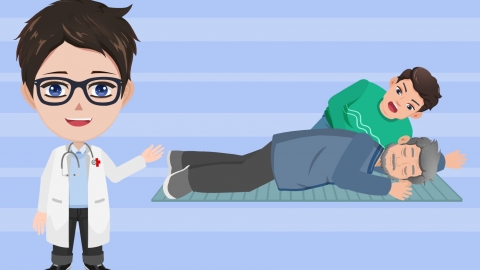
4. Lateral position: The patient lies on one side with both legs bent. This position prevents vomitus or excessive respiratory secretions from obstructing the airway when vomiting or increased secretions occur, thus maintaining a clear airway.
5. Semi-sitting position: Elevate the head of the bed by 30 to 50 degrees. This is used after some improvement in shock symptoms, as it reduces abdominal tension, facilitates breathing, and allows better observation of changes in condition.
Position adjustments for shock patients should be made promptly according to changes in their condition. Vital signs must be closely monitored, airway patency maintained, and medical treatment sought as soon as possible.


