


What are the symptoms of coil incense poisoning?
Nov 25, 2025
Source: Cainiu Health

Dr. Ren Yi
Introduction
Symptoms of mosquito coil poisoning generally include respiratory discomfort, eye irritation, dizziness, headache, nausea, vomiting, and skin itching or redness. Harmful substances released from burning mosquito coils can irritate the respiratory mucosa, leading to symptoms such as coughing, dry throat, sore throat, and chest tightness. In severe cases, wheezing and rapid breathing may occur, with symptoms being particularly pronounced in enclosed spaces.
Fly incense poisoning generally manifests as respiratory discomfort, eye irritation, dizziness and headache, nausea and vomiting, skin itching and swelling. The specific symptoms are analyzed as follows:
1. Respiratory discomfort: Harmful substances released from burning fly incense can irritate the respiratory mucosa, leading to symptoms such as coughing, dry throat, soreness, and chest tightness. In severe cases, wheezing and rapid breathing may occur. Symptoms are particularly pronounced in enclosed spaces and may take some time to subside after leaving the environment.
2. Eye irritation: Toxic components coming into contact with the eyes can cause conjunctival congestion, eye pain, and tearing. Some individuals may experience blurred vision. Rubbing the eyes may worsen the irritation and prolong discomfort.
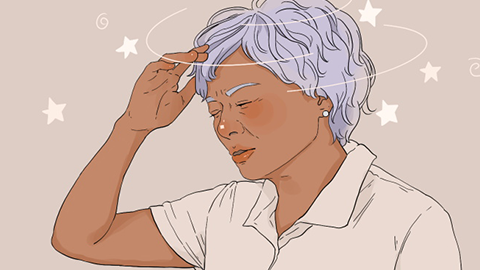
3. Dizziness and headache: Harmful substances entering the bloodstream via the respiratory tract can affect nervous system function. Initial symptoms include mild dizziness, which may progress to persistent headaches characterized by a feeling of pressure. Additional symptoms may include difficulty concentrating and fatigue.
4. Nausea and vomiting: After poisoning, gastrointestinal mucosa may be irritated or gastrointestinal function disrupted due to nervous system abnormalities, resulting in nausea. Severe cases may involve vomiting, typically of stomach contents. Frequent vomiting can lead to dehydration.
5. Skin itching and redness: Following direct contact with fly incense ash or inhalation of large amounts of harmful substances, some individuals may develop allergic skin reactions, presenting as localized itching and erythema. In severe cases, papules or blisters may appear. Scratching may easily cause skin breaks and secondary infection.
When using fly incense, ensure adequate ventilation and avoid prolonged use in enclosed spaces. Choose low-toxicity products from reputable manufacturers and avoid inferior-quality items. If symptoms of poisoning occur, immediately move to a place with fresh air. Seek prompt medical attention if symptoms persist or worsen.



