


What are the effects of penicillamine tablets?
Nov 25, 2025
Source: Cainiu Health

Dr. Wang Lei
Introduction
Under normal circumstances, penicillamine tablets serve as a multi-purpose medication, with core therapeutic effects including the treatment of Wilson's disease, improvement of symptoms in rheumatoid arthritis, promotion of heavy metal excretion, adjunctive treatment of cystinuria, and prevention of cystine stone formation. Penicillamine tablets are prescription drugs; dosage should be adjusted according to specific medical conditions, and regular monitoring of liver and kidney function, complete blood count, and other parameters is required during treatment.
Generally, penicillamine tablets are a multi-purpose medication whose primary functions include treating Wilson's disease, improving symptoms of rheumatoid arthritis, promoting excretion of heavy metals, assisting in the treatment of cystinuria, and preventing the formation of cystine stones. A detailed analysis is as follows:
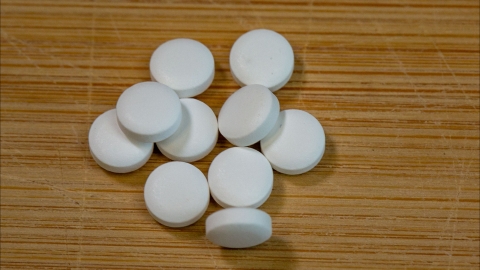
1. Treatment of Wilson's disease: This drug binds with free copper ions in the body to form stable chelates that are excreted in urine, thereby reducing copper levels in tissues and blood. Long-term use can alleviate copper-induced damage to organs such as the liver and brain, and relieve symptoms including tremors, dysarthria, and abnormal liver function.
2. Improvement of rheumatoid arthritis symptoms: By inhibiting immunoglobulin production, reducing rheumatoid factor, stabilizing lysosomal membranes, and suppressing the release of inflammatory mediators, penicillamine reduces inflammation of the synovial membrane in joints. It helps relieve joint pain, swelling, and stiffness in patients with rheumatoid arthritis and delays the progression of joint deformities.
3. Promotion of heavy metal excretion: The drug is effective in treating poisoning caused by heavy metals such as lead and mercury. The sulfhydryl group in its molecule binds with heavy metal ions in the body to form soluble chelates, which are eliminated via the kidneys. This reduces accumulation of heavy metals in tissues such as bones and internal organs and mitigates toxic damage.
4. Adjunctive treatment of cystinuria: Patients with cystinuria excrete excessive amounts of cystine in their urine, making them prone to crystal formation. Penicillamine binds with cystine to convert it into cysteine-penicillamine disulfide, a compound with higher solubility, thus reducing the concentration of free cystine in urine and alleviating symptoms such as difficulty urinating.
5. Prevention of cystine stone formation: By enhancing the solubility of cystine, long-term use of penicillamine lowers urinary cystine concentration, inhibits the precipitation and aggregation of cystine crystals, and thereby prevents the development of cystine stones. It may also help dissolve small stones already formed.
Penicillamine tablets are prescription medications; dosage must be adjusted according to individual medical conditions. Regular monitoring of liver and kidney function, complete blood count, and other relevant indicators is required during treatment. Patients should strictly follow medical instructions and must not discontinue or adjust the dosage without authorization.



