


Which sleeping direction is most beneficial for sleep?

Generally speaking, there is no definitive answer regarding which direction one should sleep in for optimal benefits. The ideal sleeping orientation primarily depends on individual comfort and health conditions rather than established scientific evidence. If in doubt, it is advisable to consult a healthcare professional in advance. A detailed analysis is as follows:
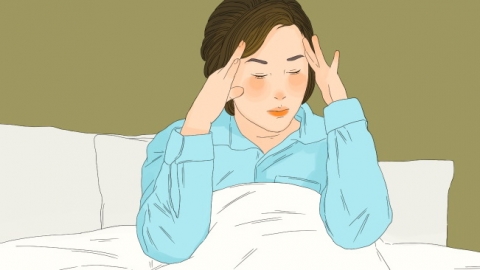
For most healthy individuals, there is no need to deliberately adhere to a fixed sleeping direction. The primary criterion should be physical comfort—ensuring the body feels relaxed without tension, and the head and neck are naturally supported. Some people prefer sleeping with their heads facing east, reporting increased energy upon waking, while others find it easier to fall asleep when their heads face north or south. These differences are largely related to personal sleep habits and bodily adaptation, and there is no need to forcibly change a direction that already feels comfortable.
If underlying health conditions exist, sleeping orientation should be adjusted according to specific medical needs. For example, individuals with cervical spine issues should avoid directions that cause neck pain or discomfort, opting instead for positions that maintain the natural curve of the cervical spine. Those with weakened cardiac function should avoid orientations that may compress the chest cavity, prioritizing unobstructed breathing and absence of chest tightness during sleep. In such cases, personal health requirements far outweigh any so-called "recommended" sleeping directions.
When selecting a sleeping orientation, individuals may experiment with different directions over 1–2 weeks, noting how they feel upon waking, to determine the most suitable option. Additionally, using a mattress of moderate firmness and maintaining a comfortable bedroom temperature are factors that have a more direct impact on sleep quality than sleeping direction alone.


