


What should be done for an elderly person over 80 years old with intestinal perforation?

In general, the management of intestinal perforation in elderly patients over 80 years old mainly includes immediate fasting and water restriction, rapid fluid support, anti-infective treatment, surgical repair of the lesion, and symptomatic nursing interventions. A detailed analysis is as follows:
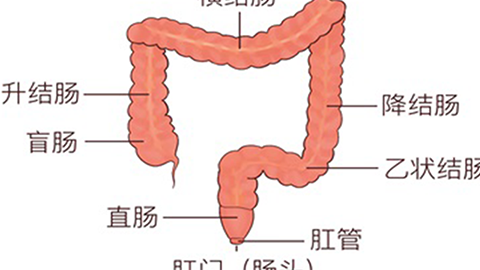
1. Immediate Fasting and Water Restriction
After intestinal perforation, intestinal contents may leak into the abdominal cavity and cause infection. Fasting and water restriction help prevent food and fluids from entering the intestine, reducing leakage and preventing the spread of infection. At the same time, this reduces the burden on the intestines, buys time for subsequent treatment, and lowers the risk of disease deterioration.
2. Rapid Fluid Support
Elderly patients generally have poor physical tolerance, and intestinal perforation can easily lead to dehydration and electrolyte imbalances. Rapid intravenous infusion of normal saline, glucose solutions, and other fluids is required to maintain fluid and electrolyte balance and stabilize blood pressure, ensuring adequate blood supply to vital organs and laying the foundation for surgery and recovery.
3. Anti-Infective Treatment
Peritoneal infection is a major complication of intestinal perforation and must be controlled promptly with antibiotics. Commonly used medications include ceftriaxone sodium injection, levofloxacin injection, and metronidazole injection, which inhibit bacterial proliferation and reduce inflammatory responses.
4. Surgical Repair of the Lesion
Surgery is key to treating intestinal perforation, and the appropriate surgical approach should be selected based on the patient's overall health condition. In milder cases, simple perforation repair may be performed; in severe cases, resection of the affected intestinal segment may be necessary. Surgery directly closes the perforation and removes contaminants from the abdominal cavity, addressing the problem at its root.
5. Symptomatic Nursing Interventions
Postoperatively, closely monitor vital signs such as heart rate and blood pressure, and maintain airway patency. After bowel function recovers, gradually transition from liquid diet to soft foods, ensuring balanced nutrition. Regularly reposition the patient to prevent pressure ulcers and encourage moderate activity to promote gastrointestinal motility.
If an elderly person experiences severe abdominal pain, vomiting, or similar symptoms, seek immediate medical attention. Strictly follow medical instructions regarding medication during treatment and undergo regular follow-up evaluations of physical condition. In daily life, avoid raw, cold, hard, or difficult-to-digest foods, maintain regular bowel movements, and reduce the risk of recurrent intestinal perforation.


