


What is the most important aspect of first aid for alcohol poisoning?

For acute alcohol intoxication, emergency measures include immediately calling emergency services, keeping the airway open, maintaining a proper body position to prevent aspiration, monitoring vital signs, and avoiding blind attempts to induce vomiting. Scientific intervention can reduce the risk of worsening condition—do not ignore signs of poisoning. Seek immediate medical attention if symptoms such as confusion, abnormal breathing, low blood pressure, or unconsciousness occur.
1. Call emergency services immediately: If the person shows signs of alcohol poisoning such as slurred speech, unsteady gait, or persistent vomiting, call emergency services right away. Clearly provide the location, symptoms, and details about alcohol consumption while waiting for professional medical help.
2. Keep the airway clear: Loosen the person's collar and belt, remove vomit and any leftover food from the mouth. If breathing is weak, gently pat the back to assist in clearing secretions and prevent airway blockage.
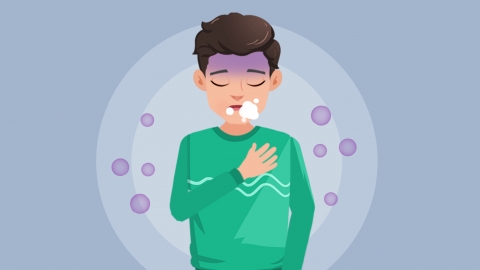
3. Maintain proper positioning to prevent aspiration: Place the intoxicated person in a lateral (side-lying) position with the head turned to one side. This prevents vomit from flowing back into the trachea and causing choking. Never place them on their back or stomach; ensure the airway remains unobstructed.
4. Monitor vital signs: Closely observe pulse, breathing, and level of consciousness. If the pulse becomes weak, breathing becomes rapid or stops, begin cardiopulmonary resuscitation (CPR) immediately and continue until emergency personnel arrive.
5. Avoid blind induction of vomiting: Do not forcibly induce vomiting, especially if the person is unconscious, as this may cause vomit to block the airway. Also, do not give water or food, which could lead to aspiration and worsen the condition.
After initial care, allow the patient to rest fully in a quiet environment. Once清醒 (awake and alert), offer small amounts of warm saline solution to replenish electrolytes. Diet should consist of light, easily digestible liquid foods; avoid spicy or irritating foods. Provide psychological support to reduce future desire to drink alcohol.


