


How to manage high fever at home during the night

When dealing with a high fever at home during the night, general measures include taking body temperature, applying physical cooling methods, rehydrating, taking appropriate medication, and monitoring symptoms. Here is a detailed explanation:
1. Measure body temperature: Use a thermometer to accurately measure body temperature and determine the severity of the fever. This helps assess the seriousness of the condition and guides further management.
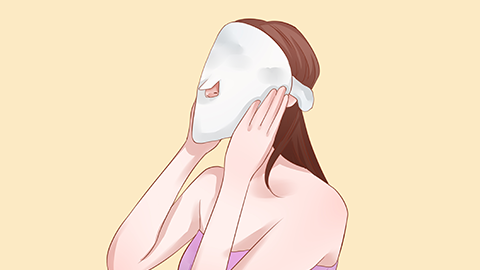
2. Physical cooling: Apply a wet towel to the forehead or wipe the body with lukewarm water to help dissipate heat through evaporation. Alternatively, use fever-reducing patches applied to the forehead or neck to assist in lowering body temperature.
3. Rehydrate: A high fever can lead to fluid loss, so it's important to replenish fluids promptly. Drink适量 amounts of warm water or light salt water to prevent dehydration.
4. Take medication appropriately: If the body temperature is very high or persists, take fever-reducing medication according to the instructions on the label. Be sure to choose age-appropriate medication and follow the recommended dosage.
5. Monitor symptoms: Closely observe any changes in condition. Seek immediate medical attention if symptoms such as persistent high fever, confusion, or rapid breathing develop.
When managing a high fever at night, remain calm and follow the steps above for initial care. If symptoms continue to worsen or unusual signs appear, do not delay—contact emergency services or go to the hospital promptly to ensure timely and effective treatment.


