


What are the nursing measures for gastrointestinal bleeding accompanied by shock?

In general, gastrointestinal bleeding accompanied by shock is a critical condition, and nursing care should focus on maintaining vital signs. The core measures mainly include positioning and oxygen management, rapid fluid infusion and blood transfusion, dynamic monitoring of the patient's condition, dietary care intervention, and psychological support and reassurance. Specific details are as follows:
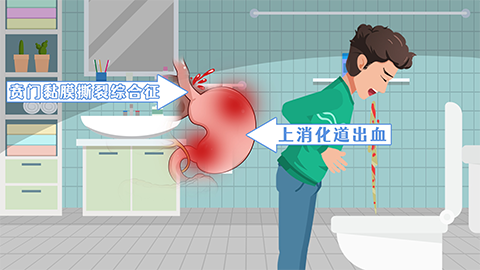
1. Positioning and Oxygen Management: Immediately assist the patient into a supine position without a pillow, with the head turned to one side and the lower limbs slightly elevated to prevent aspiration of vomitus and simultaneously increase venous return. Administer high-flow oxygen at 4–6 L/min to improve tissue hypoxia. Closely monitor changes in the patient’s complexion and lip color.
2. Rapid Fluid Infusion and Blood Transfusion: Rapidly establish two or more intravenous access routes. Administer crystalloid solutions such as normal saline or balanced fluids according to medical orders to quickly restore blood volume. If hemoglobin levels fall below 70 g/L, promptly prepare for blood transfusion. Strictly follow the "three checks and eight verifications" protocol during transfusion, and carefully control the infusion rate to avoid heart failure.
3. Dynamic Condition Monitoring: Measure blood pressure, pulse, respiration, and temperature every 15–30 minutes. Record changes in consciousness and pupil response. Observe the color, nature, and volume of vomitus and stool to estimate blood loss. Monitor urine output; if urine output is less than 30 ml/h, this suggests inadequate renal perfusion and should be reported to the physician immediately.
4. Dietary Care Intervention: Strictly withhold food and fluids during active bleeding to avoid stimulating the gastrointestinal tract and worsening hemorrhage. After bleeding has stopped and the patient's condition stabilizes, initiate warm, cool liquid diet as prescribed, gradually advancing to semi-liquid and then soft foods. Avoid spicy, hard, or irritating foods, and adopt a regimen of small, frequent meals.
5. Psychological Support and Reassurance: Patients often experience fear and anxiety due to the sudden onset of illness. Nursing staff should remain calm, use gentle language to explain the condition and nursing procedures, and inform patients of treatment progress to alleviate psychological stress. Perform procedures gently and skillfully to enhance the patient’s sense of security.
Throughout the nursing process, medical orders must be strictly followed, and coordination with the healthcare team strengthened. Nursing plans should be adjusted promptly based on changes in the patient’s condition to create favorable conditions for subsequent treatment.


