


What are the clinical manifestations of oxygen toxicity?
Nov 25, 2025
Source: Cainiu Health

Dr. Ren Yi
Introduction
Oxygen toxicity refers to damage caused by inhaling high concentrations of oxygen or prolonged oxygen exposure. The main clinical manifestations include respiratory tract irritation symptoms, central nervous system symptoms, ocular injuries, skin and mucous membrane reactions, as well as metabolic and circulatory changes. The clinical presentation of oxygen toxicity is closely related to the concentration of oxygen inhaled and the duration of exposure. Clinical oxygen administration must strictly control both concentration and duration.
Oxygen toxicity refers to damage caused by inhaling high concentrations of oxygen or prolonged oxygen inhalation. The main clinical manifestations include respiratory tract irritation symptoms, central nervous system symptoms, ocular injury signs, skin and mucous membrane reactions, and metabolic and circulatory changes. A detailed analysis is as follows:
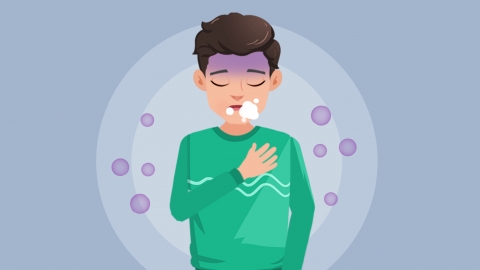
1. Respiratory tract irritation symptoms: Early symptoms often include dryness and pricking pain in the nose and pharynx, followed by coughing, chest tightness, and usually a spasmodic dry cough. As the condition progresses, respiratory rate increases and dyspnea develops. Wet rales can be heard upon lung auscultation; in severe cases, pulmonary edema may occur, presenting as pink frothy sputum.
2. Central nervous system symptoms: Mild cases may present with headache, dizziness, restlessness, and insomnia. Moderate poisoning can cause nausea, vomiting, limb convulsions, and blurred vision. Severe poisoning may lead to sudden impairment of consciousness and generalized tonic-clonic seizures, during which limbs become rigid and the jaw clenches tightly. After seizure episodes, patients may experience memory loss and limb weakness.
3. Ocular injury manifestations: Prolonged inhalation of high-concentration oxygen easily damages ocular tissues. Initial symptoms include dry eyes and a foreign body sensation, progressing to decreased vision and visual distortion. In infants and young children, long-term oxygen therapy may lead to retinopathy, potentially causing retinal detachment in severe cases. In adults, lens opacities may develop, increasing the risk of cataracts.
4. Skin and mucous membrane reactions: Some patients may exhibit pallor or flushing of the face, while lips and nail beds may appear cherry-red—related to vascular endothelial injury from oxygen free radicals and impaired circulation. A minority may develop itching or erythematous rashes, mostly due to local vasodilation or nerve stimulation.
5. Metabolic and circulatory changes: Initially, tachycardia and mild hypertension may occur. Later, myocardial injury may lead to bradycardia, arrhythmias, and hypotension. Metabolic acidosis may also develop, manifesting as fatigue and deep, rapid breathing. Blood gas analysis typically reveals decreased pH and reduced bicarbonate levels.
The clinical manifestations of oxygen toxicity are closely related to the concentration and duration of oxygen exposure. Clinical oxygen administration must strictly control both concentration and duration. Patients should be monitored regularly, and oxygen delivery protocols adjusted promptly if abnormalities arise, to prevent worsening injury.



