


What are the four types of hypersensitivity reactions?

Allergic reactions are mainly classified into Type I (immediate), Type II (cytotoxic), Type III (immune complex), and Type IV (delayed). Each type differs in pathogenesis, reaction speed, and clinical features, and accurate classification requires evaluation of symptoms and diagnostic tests. If severe allergic reactions, persistent discomfort, or recurrent episodes occur, prompt medical attention is recommended.
1. Type I (Immediate): Mediated by IgE, this reaction occurs within minutes to hours after exposure to an allergen, manifesting as urticaria, asthma, anaphylactic shock, etc. The response is rapid but typically resolves quickly. Common triggers include pollen, dust mites, and food allergens.
2. Type II (Cytotoxic): Mediated by IgG or IgM, this type involves immune responses directed against antigens on cell surfaces, leading to cell damage. It commonly occurs in transfusion reactions, drug-induced hemolytic anemia, and autoimmune thyroiditis. Onset is slower compared to Type I.
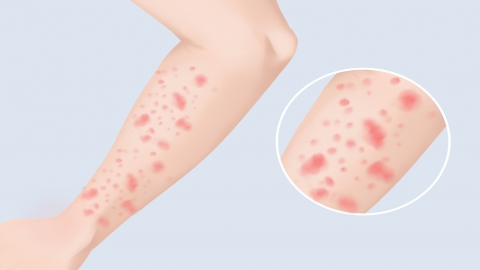
3. Type III (Immune Complex): Immune complexes formed by antigens and antibodies deposit in tissues, activating complement and triggering inflammation. This type presents as glomerulonephritis, rheumatoid arthritis, serum sickness, etc., and typically develops several days after allergen exposure.
4. Type IV (Delayed): Mediated by T cells without antibody involvement, this reaction occurs 24–72 hours after allergen exposure and manifests as contact dermatitis or a positive tuberculin skin test. The response lasts longer, with slow resolution of inflammation.
In daily life, it is important to identify and avoid known allergens, maintain a clean and well-ventilated environment, follow a regular作息 routine to enhance immunity, promptly remove exposure upon mild allergic symptoms, avoid scratching or irritating affected areas, and practice proper care to prevent symptom worsening.


