What happens when cyclosporine levels are high?
Nov 25, 2025
Source: Cainiu Health

Dr. Tian Hongbo
Introduction
High cyclosporine levels may generally cause renal impairment, hypertension, gingival hyperplasia, hirsutism, and tremors. Renal impairment: elevated cyclosporine concentrations increase the metabolic burden on the kidneys, impairing normal filtration and excretory functions, leading to increased levels of serum creatinine, blood urea nitrogen, and other markers; in severe cases, this can progress to renal failure.
High cyclosporine levels may generally lead to kidney damage, hypertension, gingival hyperplasia, hirsutism, and tremors. Detailed explanations are as follows:
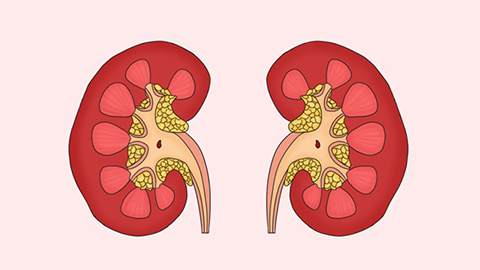
1. Kidney damage: Excessively high cyclosporine concentrations increase the metabolic burden on the kidneys, impairing normal filtration and excretion functions. This can elevate markers such as serum creatinine and blood urea nitrogen, and in severe cases, progress to renal failure.
2. Hypertension: High cyclosporine levels can disrupt the body's renin-angiotensin-aldosterone system, causing vasoconstriction and sodium-water retention, thereby increasing blood pressure and elevating the risk of cardiovascular and cerebrovascular diseases.
3. Gingival hyperplasia: Abnormal cyclosporine levels interfere with normal metabolism and growth of gingival tissue, leading to excessive proliferation of gingival cells. This results in enlarged, hardened gums, affecting both oral aesthetics and health.
4. Hirsutism: Elevated cyclosporine levels affect the hair follicle growth cycle, promoting entry into and prolonging the anagen (growth) phase, resulting in excessive hair growth, commonly seen on the face and limbs.
5. Tremors: High cyclosporine concentrations may impair normal nervous system function and disrupt neurotransmitter transmission, causing involuntary tremors in limbs, typically presenting as fine shaking in the hands or head.
During cyclosporine treatment, patients must strictly follow medical instructions and should not adjust the dosage on their own. Regular monitoring of blood drug levels is essential to promptly detect concentration abnormalities and adjust treatment plans accordingly, ensuring safe medication use.