


What is sodium chloride injection?

Sodium chloride injection, commonly known as saline solution, is a frequently used intravenous infusion medication. Detailed analysis is as follows:
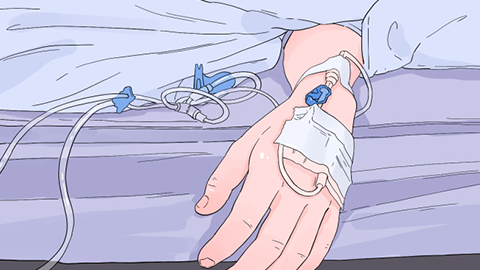
The main components of sodium chloride injection are sodium chloride and water, typically formulated at a concentration of 0.9%, which matches the osmotic pressure of human body fluids—hence the term "physiological saline." It helps replenish fluids and electrolytes, maintaining the body's fluid balance, and is commonly used in cases of dehydration or blood loss. As a pharmaceutical solvent, it can dilute injectable medications, facilitating their stable entry into the bloodstream to exert therapeutic effects. Additionally, it can be used for wound or eye irrigation, cleaning injured areas and reducing the risk of infection. Due to its wide-ranging applications, it is considered a fundamental drug in clinical practice.
The administration of sodium chloride injection should only be performed by trained medical professionals; self-injection must be avoided. When used for wound irrigation, ensure the solution is uncontaminated. The solution should be stored sealed, protected from light, and kept away from high temperatures. Expired solutions must not be used. In daily life, if severe vomiting or diarrhea leads to dehydration, prompt medical attention is necessary, and a physician will determine whether fluid replacement via sodium chloride injection is required.


