


Is it necessary to receive a tetanus shot after being injured by a screwdriver?

Generally, whether a tetanus shot is needed after being punctured by a screwdriver depends on the specific condition of the wound and the level of contamination of the screwdriver. The detailed analysis is as follows:
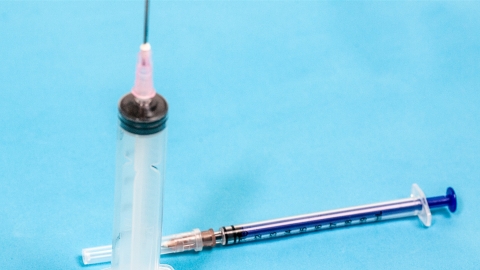
If the wound is superficial, only affecting the outer layer of skin, and the screwdriver is clean and free of rust—having been recently cleaned and disinfected—and if you have received a tetanus vaccine within the past 5–10 years, then additional tetanus injection may not be necessary. Superficial wounds are unlikely to create an anaerobic (low-oxygen) environment, making it difficult for tetanus bacteria to grow, and antibodies from prior vaccination can provide protection against infection during the immunity period.
However, if the wound is deep and bleeding heavily, if the screwdriver is rusty or contaminated with soil or dirt, or if you have never received a tetanus vaccine or your last dose was outside the protective timeframe, then a tetanus shot is necessary. Deep wounds easily create anaerobic conditions, increasing the likelihood of tetanus bacterial growth, especially when the tool is contaminated. Without antibody protection, the risk of infection is significantly higher, so prompt preventive injection is required.
To ensure safety, when such injuries occur, it is recommended to seek medical attention promptly. A healthcare professional can evaluate the wound and your vaccination history to determine whether tetanus prophylaxis is needed. Additionally, when treating the wound, first rinse it thoroughly with running water, then disinfect with iodine or alcohol to minimize the chance of bacterial infection.


