


What medical conditions can be treated during nighttime emergency care?

Nighttime emergency services primarily handle patients with sudden and critical conditions. Treatable conditions include acute abdominal emergencies, traumatic injuries, cardiovascular and cerebrovascular emergencies, acute respiratory diseases, and acute poisoning. A detailed analysis is as follows:
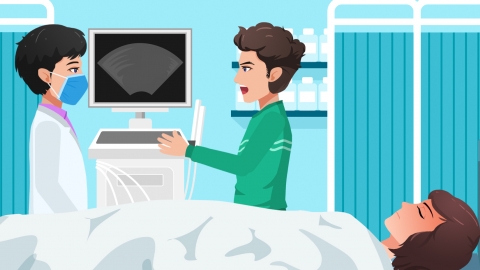
1. Acute Abdominal Conditions: These illnesses have a sudden onset and are accompanied by severe pain. For example, acute appendicitis presents as migratory pain in the lower right abdomen; acute cholecystitis is characterized by colicky pain in the upper right abdomen along with nausea and vomiting; ectopic pregnancy rupture causes severe lower abdominal pain and vaginal bleeding. Immediate diagnosis is essential to prevent complications such as peritoneal infection or shock.
2. Traumatic Injuries: This category includes various acute injuries caused by accidents, such as lacerations, fractures, and head trauma resulting from traffic accidents or falls. If significant bleeding, limb deformity, or altered consciousness occurs, immediate measures such as hemostasis and fracture immobilization are required. For head injuries, intracranial damage must be evaluated promptly to avoid treatment delays.
3. Cardiovascular and Cerebrovascular Emergencies: These include acute myocardial infarction, cerebral hemorrhage, and cerebral infarction. Myocardial infarction typically manifests as crushing chest pain behind the sternum, while cerebral hemorrhage often presents with headache, vomiting, and hemiplegia. These conditions can be life-threatening within a short time and require rapid emergency interventions such as thrombolysis and anticoagulation therapy.
4. Acute Respiratory Diseases: Examples include acute asthma attacks, acute pneumonia, and pneumothorax. During an asthma attack, patients experience difficulty breathing and pronounced wheezing; pneumothorax presents as sudden chest pain and tightness. Without timely oxygen supplementation or air evacuation, hypoxia and suffocation may occur, necessitating emergency intervention to relieve symptoms.
5. Acute Poisoning: This includes drug overdose, food poisoning, and alcohol intoxication. Food poisoning commonly causes vomiting, diarrhea, and abdominal pain, while drug overdose may lead to impaired consciousness. Emergency management involves gastric lavage and administration of antidotes to eliminate toxins and minimize organ damage.
When symptoms occur, it is important to briefly summarize the onset time and symptom presentation, and clearly communicate this information to medical staff upon arrival at the hospital. This helps enable rapid and accurate diagnosis, thereby maximizing the chances for effective treatment.


