


How to Determine the Severity of a Burn

To determine the severity of a burn, several factors are considered, including the size of the burned area, depth of the burn, criticality of the affected body part, patient's age, and associated symptoms. A comprehensive evaluation based on these indicators allows for an accurate assessment of burn severity. Immediate medical attention is recommended if the burn covers a large area, is deep, or involves critical areas such as the head, face, neck, or respiratory tract.
1. Burn surface area: Larger burn areas indicate greater severity. The "palm method" can be used for estimation—on average, an adult’s palm surface accounts for about 1% of total body surface area; proportions should be adjusted according to age in children. Burns exceeding 10% of body surface area may indicate moderate to severe injury and require close monitoring.
2. Burn depth: Superficial burns affect only the epidermis, causing intense pain and redness. Partial-thickness or full-thickness burns involve the dermis or subcutaneous tissue, appearing pale or charred with diminished sensation. Severe burns may damage muscles and bones.
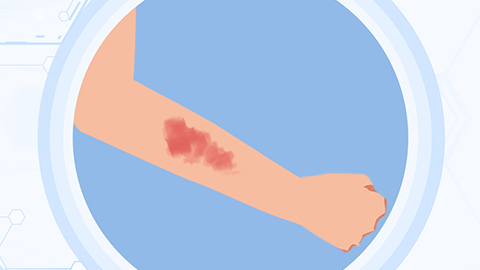
3. Criticality of burn location: Burns involving the head, face, neck, airway, hands, feet, or joints are more dangerous due to higher risks of infection, deformity, or functional impairment, making them more serious than burns on less critical areas such as the proximal limbs.
4. Patient age: Children have thinner, more delicate skin and weaker healing capacity, while elderly patients often have slower metabolism and higher risk of complications. For the same burn size and depth, both groups face greater severity and worse prognosis.
5. Associated symptoms: Signs such as shock, persistent high fever, pus discharge from the wound, or difficulty breathing suggest possible systemic involvement or complications, indicating a severe burn.
After a burn occurs, immediately rinse the affected area under cool running water for 15–30 minutes to reduce temperature. Avoid rubbing or applying irritants such as toothpaste, soy sauce, or other home remedies. Keep the wound clean, wear loose, breathable clothing to minimize friction, and support wound healing.


