


How to treat herpes meningitis
Nov 25, 2025
Source: Cainiu Health

Dr. Liu Wenmin
Introduction
The treatment of herpes meningitis primarily involves antiviral therapy, symptomatic and supportive care, intracranial pressure reduction, analgesic and sedative treatment, and prevention of complications, requiring early intervention to control infection and protect neurological function. If symptoms such as fever, headache, vomiting, and altered consciousness occur, immediate medical attention is recommended. Early administration of antiviral drugs such as acyclovir and ganciclovir is essential.
Herpetic meningitis is primarily treated with antiviral therapy, symptomatic and supportive care, intracranial pressure reduction, pain relief and sedation, and prevention of complications. Early intervention is essential to control infection and protect neurological function. If symptoms such as fever, headache, vomiting, and altered consciousness occur, immediate medical attention is recommended.
1. Antiviral therapy: Initiate early treatment with antiviral agents such as acyclovir or ganciclovir to inhibit herpesvirus replication, shorten the disease course, and reduce viral damage to brain tissue. Adequate dosage and full course of treatment are necessary to ensure therapeutic efficacy.
2. Symptomatic and supportive therapy: Manage fever with physical cooling or antipyretic medications. Ensure sufficient hydration and nutritional support, maintain electrolyte balance, and enhance the body's immune resistance to promote recovery.
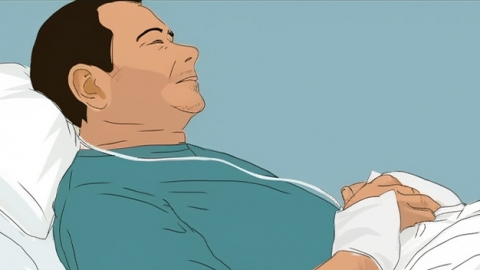
3. Intracranial pressure reduction: For headaches and vomiting caused by elevated intracranial pressure, use osmotic diuretics such as mannitol to reduce cerebral edema and lower intracranial pressure, thereby alleviating discomfort and preventing brain injury.
4. Analgesic and sedative therapy: Administer analgesics and sedatives for patients experiencing severe headache, restlessness, or seizures to improve comfort and prevent seizure exacerbation of the condition.
5. Prevention of complications: Monitor neurological function and organ status closely, promptly manage potential complications such as epilepsy and cerebral edema, and reduce the risk of disease progression.
Maintain a quiet and comfortable environment to minimize stimulation, ensure adequate rest, provide a light, easily digestible liquid or semi-liquid diet, perform proper oral and skin care, and prevent cross-infection to facilitate recovery.



