


What should I do if I have a fever after overeating?

Eating too much can cause fever, and the main management methods include adjusting diet, physical cooling, gentle massage, ensuring adequate rest, and timely symptomatic medication. Discomfort should be properly addressed to prevent worsening symptoms and potential complications. Specific measures are as follows:
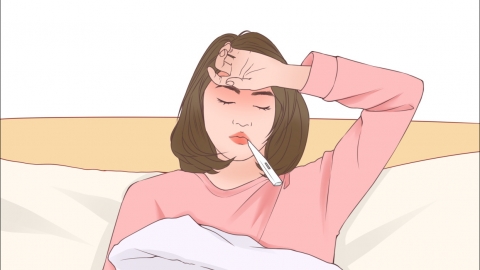
1. Adjust Diet
Overeating increases gastrointestinal burden, and food stagnation may lead to fever. At this time, avoid oily and spicy foods, and opt for light liquid foods such as rice soup or thin porridge to reduce gastrointestinal stress and support recovery of digestive function.
2. Physical Cooling
Physical cooling is safe and effective when body temperature does not exceed 38.5°C. Wipe areas rich in blood vessels—such as the forehead, neck, and armpits—with lukewarm water; evaporation helps dissipate heat and lower body temperature.
3. Gentle Massage
Gently massaging the abdomen in a clockwise direction can enhance gastrointestinal motility, accelerate digestion and absorption of food, and relieve symptoms of indigestion. Apply moderate pressure for 10–15 minutes per session to avoid aggravating abdominal discomfort.
4. Ensure Adequate Rest
Digesting food consumes significant energy. Sufficient rest allows the body to focus on digestion. Avoid strenuous activity and maintain a quiet, comfortable environment to promote rapid recovery of bodily functions.
5. Timely Symptomatic Medication
If body temperature exceeds 38.5°C or if bloating and abdominal pain are severe, take antipyretics and digestive aids under medical guidance. Be sure to understand proper dosage and contraindications before taking any medication to avoid risks associated with inappropriate use.
In daily life, follow the principle of eating until 70–80% full, avoiding excessive food intake at one time, especially limiting high-fat and high-sugar foods. Light walking after meals can aid digestion; avoid lying down immediately. Seek medical attention promptly if fever persists or is accompanied by vomiting or diarrhea to rule out other underlying conditions.


