


How to detoxify vitamin A toxicity
Nov 25, 2025
Source: Cainiu Health

Dr. Wang Lei
Introduction
Treatment for vitamin A toxicity includes immediately discontinuing vitamin A-containing preparations, promoting toxin elimination, symptomatic relief, supportive care, and monitoring organ function. Timely intervention according to the severity of poisoning is essential to prevent worsening damage. If symptoms such as nausea, vomiting, headache, dizziness, or skin abnormalities occur, immediate medical attention is recommended.
Vitamin A toxicity can be managed through immediate discontinuation of vitamin A-containing preparations, promoting toxin elimination, symptomatic relief, supportive care, and monitoring organ function. Timely intervention based on the severity of poisoning is essential to prevent worsening damage. If symptoms such as nausea, vomiting, headache, dizziness, or skin abnormalities occur, prompt medical attention is recommended.
1. Immediately discontinue vitamin A-containing preparations: Stop all vitamin A supplements, cod liver oil, and foods high in vitamin A to cut off the source of the toxin and prevent further intake that could worsen symptoms. This is the foundational step in detoxification.
2. Promote toxin excretion: Drink adequate fluids or receive intravenous fluids under medical guidance to increase urine output, thereby facilitating renal elimination of unmetabolized vitamin A and reducing its accumulation in the body.
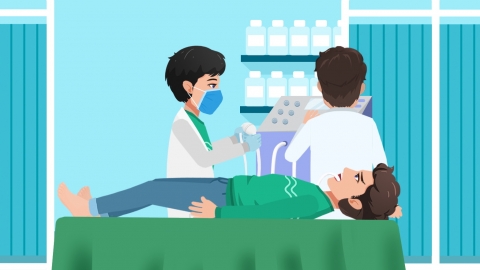
3. Symptomatic relief: Treat nausea and vomiting with antiemetics; individuals experiencing headache or dizziness should rest in bed and avoid strenuous activity; maintain proper moisturizing skin care for dryness or peeling to alleviate local discomfort.
4. Supportive therapy: Ensure a balanced diet, supplement with protein and B-complex vitamins, protect liver and kidney function, enhance metabolic capacity, and support toxin elimination and tissue repair.
5. Monitor organ function: Regularly check liver and kidney function tests, complete blood count, and other indicators to detect organ damage early and intervene promptly, preventing progression of liver or kidney injury caused by toxicity.
After symptom resolution, adjust the diet to avoid consuming high-vitamin A foods again in the short term, supplement other water-soluble vitamins, maintain regular作息 (lifestyle routines), avoid fatigue, gradually restore metabolic function, and schedule follow-up visits to ensure no long-term complications remain.



