


What tests can detect chronic poisoning?

Chronic poisoning evaluation requires a combination of multiple tests, with core components including blood tests, urine tests, imaging studies, organ function assessments, and toxicant detection. These examinations help clarify the poisoning status from different perspectives. The specific analysis is as follows:
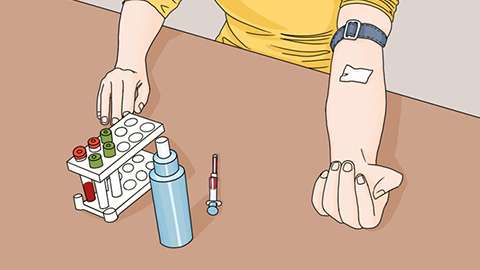
1. Blood tests: Abnormalities can be identified through complete blood count (CBC) and biochemical indicators. For example, heavy metal poisoning may cause changes in white blood cell or platelet counts; organophosphorus poisoning leads to reduced cholinesterase activity; and abnormal liver or kidney function markers can indicate organ damage caused by toxins.
2. Urine tests: Urine is a major route for excreting metabolites of toxic substances, allowing detection of specific toxins and their metabolites. For instance, patients with lead poisoning show elevated urinary lead levels, while benzene poisoning may increase phenol levels in urine, providing diagnostic evidence.
3. Imaging studies: Examinations are selected based on organs potentially affected by the toxin. Pulmonary toxicity can be assessed via chest X-ray or CT to identify lung lesions; neurotoxicity may require brain MRI to detect brain tissue damage; skeletal involvement can be evaluated using bone density testing or X-rays to identify abnormalities.
4. Organ function tests: Specialized assessments target systems commonly damaged by toxins—such as the liver, kidneys, and nervous system. Examples include measuring liver enzymes (transaminases) for liver function, serum creatinine and blood urea nitrogen (BUN) for kidney function, and neurophysiological tests to evaluate nerve function. These help assess the extent of organ damage and assist in determining the type of poisoning.
5. Toxicant detection: Specialized laboratory methods directly measure toxin levels in blood, urine, or hair. Hair analysis reflects long-term exposure, while blood and urine tests reveal current poisoning status, making them key for confirming chronic poisoning.
All tests should be conducted under the guidance of qualified physicians, integrating exposure history and clinical symptoms for comprehensive assessment. In daily life, individuals should avoid contact with toxic substances, take proper protective measures, and reduce the risk of poisoning.


