


Which patients are absolute contraindications for hyperbaric oxygen therapy?
Nov 25, 2025
Source: Cainiu Health

Dr. Ren Yi
Introduction
Absolute contraindications for hyperbaric oxygen therapy generally include patients with untreated pneumothorax, active intracranial hemorrhage, untreated malignant tumors, oxygen sensitivity, and severe emphysema with pulmonary bullae. When gas is present in the pleural cavity and has not been managed by drainage or similar interventions, the volume of this gas can rapidly expand under hyperbaric oxygen conditions, potentially leading to further compression of lung tissue.
Patients with absolute contraindications for hyperbaric oxygen therapy generally include those with untreated pneumothorax, active intracranial bleeding, untreated malignant tumors, oxygen allergy, and severe emphysema accompanied by large pulmonary bullae. Detailed explanations are as follows:
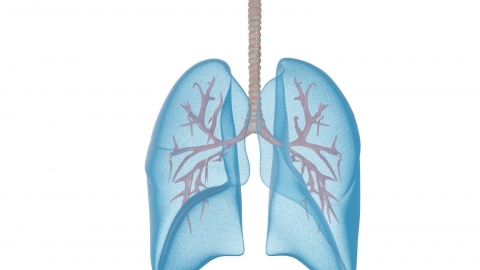
1. Untreated pneumothorax patients: When gas is present in the pleural cavity and has not been managed (e.g., via drainage), the volume of this gas can rapidly expand under hyperbaric conditions. This may further compress lung tissue, leading to respiratory distress, worsening chest pain, or even life-threatening complications such as ruptured pneumothorax. Therefore, hyperbaric oxygen therapy is strictly prohibited.
2. Patients with active intracranial hemorrhage: In cases where bleeding in the brain is ongoing (such as during the acute phase of cerebral hemorrhage before stabilization), hyperbaric oxygen therapy may disrupt cerebral circulation, exacerbate bleeding, increase intracranial pressure, and potentially lead to coma or neurological damage. Treatment should only be considered after bleeding has stopped and the patient's condition has stabilized, followed by careful reassessment.
3. Untreated malignant tumor patients: For malignant tumors that have not received standard treatments such as surgery, radiotherapy, or chemotherapy, hyperbaric oxygen may supply abundant oxygen to tumor cells, promoting their proliferation and metastasis, thereby accelerating disease progression. Thus, primary cancer treatment must be completed first before determining whether hyperbaric oxygen therapy is appropriate.
4. Patients with oxygen allergy: Individuals who develop allergic reactions—such as rash, itching, or difficulty breathing—upon exposure to oxygen are at risk. Since hyperbaric oxygen therapy requires a high-concentration oxygen environment, it may directly trigger or worsen allergic symptoms, potentially resulting in anaphylactic shock. This constitutes an absolute contraindication.
5. Patients with severe emphysema and pulmonary bullae: Those with multiple large pulmonary bullae are at high risk, as increased pressure within the bullae under hyperbaric conditions can easily cause rupture. This may lead to spontaneous pneumothorax and acute respiratory failure, endangering life. Hence, hyperbaric oxygen therapy is strictly forbidden in these patients.
Prior to undergoing hyperbaric oxygen therapy, patients must fully disclose their medical history and current health status to their physician. If any contraindications exist, they should follow medical advice and choose alternative treatment options rather than insist on hyperbaric oxygen therapy.



