


Is it dangerous if a vaccinated cat bites someone?

In general, whether a person is at risk after being bitten by a vaccinated cat depends on the specific circumstances. If any discomfort occurs, it is recommended to seek medical attention promptly. The detailed analysis is as follows:
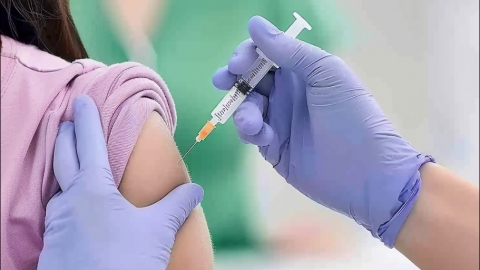
If the cat has completed its full vaccination schedule and is within the effective protection period, and the bite causes only a superficial wound with minor skin breakage, there is generally no serious concern. Such cats have an extremely low risk of carrying the rabies virus, and superficial wounds are easy to clean. With proper care, the likelihood of bacterial infection is small. Wash the wound thoroughly with soapy water for more than 15 minutes, then apply iodine tincture for disinfection. Monitor the wound for any abnormalities—no further excessive worry is needed if healing progresses normally.
However, if the cat has not completed its vaccinations, is beyond the protection period, or if the wound is deep, bleeding heavily, or contaminated, immediate medical attention is required. Cats' mouths carry many bacteria, and deep wounds are prone to infection. If the vaccine is ineffective, there may be a risk of rabies virus exposure. Before seeking medical help, continuously rinse the wound with water. A doctor will assess whether post-exposure prophylaxis (including rabies vaccine) and antibiotics are necessary.
During wound recovery, keep the area dry, avoid pressure or squeezing, maintain a light diet, and seek prompt medical review if signs such as redness, swelling, pus discharge, or fever appear. When interacting with cats, avoid sudden stimuli that might provoke aggressive behavior.


