


What are the complications after cryoablation for atrial fibrillation?

Complications that may occur after cryoablation for atrial fibrillation mainly include puncture site hematoma, early postoperative atrial fibrillation, vascular complications, pulmonary vein stenosis, chest pain, etc. Most of these complications are temporary, and standardized care can promote recovery. The specific analysis is as follows:
1. Puncture site hematoma: The procedure requires vascular puncture; if the vessel wall is injured during puncture or pressure is inadequately applied postoperatively, local hematoma may easily form. It presents as swelling and bruising at the puncture site, with pain upon palpation. Small hematomas can resolve spontaneously, while larger ones require medical intervention.
2. Early postoperative atrial fibrillation: Some patients may still experience episodes of atrial fibrillation shortly after surgery, which is related to myocardial edema and incomplete healing of the ablated areas. These episodes are usually temporary. As the myocardium heals, the frequency of atrial fibrillation gradually decreases, and there is generally no need for excessive concern.
3. Vascular complications: Surgical manipulation may injure the vessels involved in puncture, leading to complications such as pseudoaneurysm or arteriovenous fistula. A pseudoaneurysm presents as a pulsatile mass locally, while an arteriovenous fistula may be accompanied by a vascular murmur. Any related symptoms should prompt timely medical evaluation.
4. Pulmonary vein stenosis: If ablation energy damages the opening of the pulmonary veins, it may lead to narrowing of the pulmonary vein lumen. Patients may develop symptoms such as shortness of breath and chest tightness during physical activity. Imaging studies can determine the degree of stenosis, and severe cases may require interventional treatment.
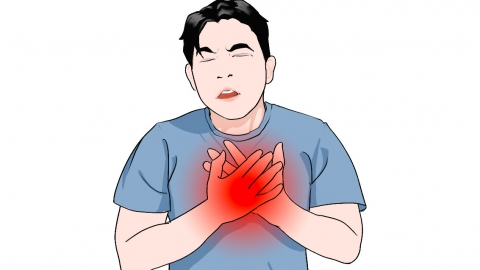
5. Chest pain: Chest pain is relatively common in the short term after surgery, mostly due to inflammatory reactions in the ablated myocardial area or pericardial irritation. The pain is typically dull or aching, short-lived, and gradually resolves as inflammation subsides. Avoiding strenuous activity can help reduce discomfort.
After surgery, patients should follow medical advice to rest in bed, keep the puncture site clean and dry, undergo regular follow-up electrocardiograms and cardiac ultrasounds, and avoid emotional excitement and excessive fatigue to support recovery of cardiac function.


