


Why is the wound still bleeding on the second day after getting stitches?

Bleeding on the second day after wound suturing may be related to factors such as minor oozing during the early healing phase, excessive tension on the suture, overactivity, differences in blood clotting function, or early signs of local infection. In most cases, slight oozing is a normal phenomenon. However, if bleeding is heavy and persistent, accompanied by severe pain or spreading redness and swelling, prompt medical attention is recommended.
1. Minor bleeding during initial wound healing: After suturing, the wound has not fully formed a scab, and minor bleeding from subcutaneous capillaries may still occur. This typically appears as slight dampening of the gauze with a light red color, which gradually stops as the scab forms.
2. Excessive suture tension: If the wound is in a special location or was closed under high tension, it may cause capillaries to rupture due to pulling. This is especially common in areas with frequent movement, such as joints or extremities, and oozing may last for 1–2 days.
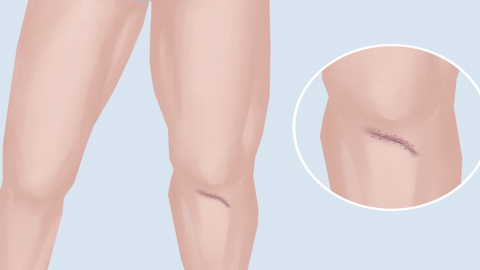
3. Excessive physical activity: Engaging in significant movement too soon after suturing increases local blood circulation, which can damage healing blood vessels and worsen bleeding. This is commonly seen in patients with limb wounds who overuse the affected area.
4. Variations in clotting function: Individuals differ in their ability to form blood clots. Those with clotting factor deficiencies or low platelet counts may experience slower hemostasis, resulting in minor bleeding even on the second postoperative day.
5. Early signs of local infection: If bleeding is accompanied by pus, redness, swelling, or warmth around the wound, it may indicate an early infection. Infection can disrupt healing tissue and lead to re-rupture of blood vessels.
Maintain cleanliness and dryness of the wound; avoid contact with water and friction, and minimize movement of the injured area. Gently press the wound with sterile gauze to stop bleeding—avoid vigorous wiping. Increase dietary intake of protein and vitamins to support wound healing, and avoid spicy or irritating foods.


