


Are first-degree burns serious?
Nov 25, 2025
Source: Cainiu Health

Dr. Liu Wenmin
Introduction
In general, the severity of first-degree burns should be assessed based on the burn area and the patient's specific condition. Immediately after the burn occurs, rinse the affected area under cool running water for 15 to 20 minutes to rapidly reduce temperature and alleviate the sensation of heat. After rinsing, gently cover the area with clean, soft gauze to avoid skin friction or scratching, preventing damage to the epidermis.
Generally, the severity of first-degree burns depends on the burn area and the patient's specific condition. A detailed analysis is as follows:
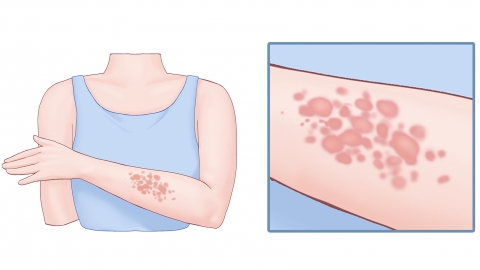
If the first-degree burn covers a small area and is limited to localized skin regions—such as fingers or the back of the hand—and the patient has no other discomfort symptoms, presenting only with redness and mild heat sensation, this situation is usually not serious. Only the epidermis is damaged, without blisters or ulceration, and normal bodily functions remain unaffected. With timely cooling treatment, the injury can heal on its own within a short period, leaving no scars or other long-term complications.
However, if the first-degree burn covers a large area involving the trunk or limbs extensively, or if the patient is an infant, elderly person, or someone with underlying conditions such as diabetes or cardiovascular disease, the situation requires greater attention. Extensive epidermal damage compromises the skin’s protective barrier, increasing pain and heat discomfort and raising the risk of infection. Individuals in these special groups often have weaker skin regeneration capacity, and pre-existing diseases may impair local blood circulation, delaying healing and potentially leading to complications such as fever or worsening redness and swelling.
Immediately after the burn, rinse the affected area under cool running water for 15 to 20 minutes to rapidly reduce temperature and alleviate the burning sensation. After rinsing, gently cover the area with clean, soft gauze to avoid friction or scratching, which could damage the epidermis. During recovery, keep the injured area clean and dry, wear loose, breathable cotton clothing to minimize pressure and irritation, and consume adequate protein and vitamins to support skin tissue repair.



