


What medications are available to relieve asthma attacks?

Medications commonly used to relieve asthma attacks include salbutamol aerosol, budesonide/formoterol inhalation aerosol, ipratropium bromide aerosol, aminophylline tablets, and montelukast sodium tablets. A detailed analysis is as follows:
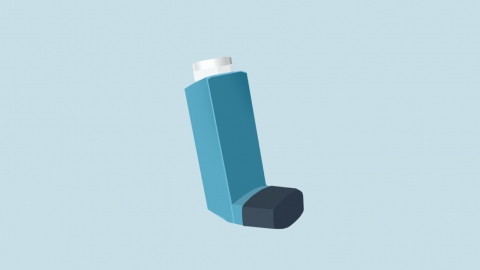
1. Salbutamol Aerosol: This is a short-acting β₂-adrenergic agonist that acts rapidly, typically relieving bronchospasm within minutes after inhalation, alleviating symptoms such as wheezing and shortness of breath. It is suitable for rapid symptom relief during acute asthma attacks and should be used as needed.
2. Budesonide/Formoterol Inhalation Aerosol: A combination medication containing an inhaled corticosteroid and a long-acting β₂-adrenergic agonist. It reduces airway inflammation and dilates the bronchi, making it suitable for long-term asthma control. It can also be used as a reliever medication during acute exacerbations.
3. Ipratropium Bromide Aerosol: An anticholinergic drug that works by inhibiting contraction of airway smooth muscles, thereby relieving breathing difficulties during asthma attacks. Its onset of action is slower than that of salbutamol, but its effect lasts longer. It is often used in combination with other reliever medications.
4. Aminophylline Tablets: A phosphodiesterase inhibitor that relaxes bronchial smooth muscles, improves ventilation, and enhances respiratory muscle contractility, thus alleviating wheezing during asthma attacks. It takes effect 1–2 hours after oral administration and must be taken at doses prescribed by a physician.
5. Montelukast Sodium Tablets: A leukotriene receptor antagonist that reduces airway mucosal edema by inhibiting leukotriene-mediated inflammatory responses, helping to relieve asthma symptoms. It is particularly suitable for asthma patients with comorbid allergic rhinitis and should be taken regularly to maintain therapeutic effects.
Asthma reliever medications must be used strictly according to medical instructions, with clear understanding of each drug's method and dosage. During acute attacks, fast-acting medications should be prioritized; if symptoms do not improve, prompt medical attention is required.


