


What are the functions of inserting a cervical ripening balloon?

In general, placing a water balloon refers to inserting a water-filled balloon into the uterus during a medical procedure. The purposes of placing a water balloon include inducing uterine contractions, softening cervical tissue, assessing cervical maturity, reducing the need for oxytocin, and creating favorable conditions for delivery. If a water balloon is needed, it should be inserted by a qualified healthcare professional at a正规 medical facility—never attempted on one's own.
1. Inducing uterine contractions: The mechanical pressure from the water balloon stimulates the cervix, prompting rhythmic contractions of the uterine smooth muscle and initiating the labor process. This method is suitable for pregnant women who have reached full term but have not yet gone into spontaneous labor, or those requiring labor induction.
2. Softening cervical tissue: Continuous pressure from the balloon on the cervix improves local blood circulation, causing relaxation of cervical connective tissue. This promotes cervical ripening and softening, helping to create a passage for fetal delivery.
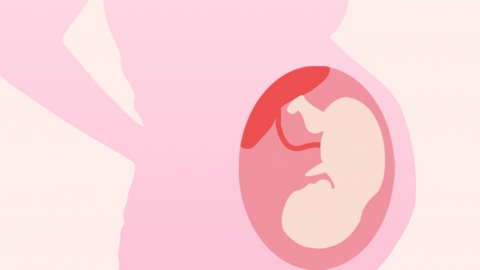
3. Assessing cervical maturity: After insertion, changes in cervical dilation, texture, and uterine contraction response are monitored to evaluate the cervix’s sensitivity to stimulation, providing valuable information for planning subsequent delivery strategies.
4. Reducing oxytocin use: Contractions induced by the water balloon closely resemble natural labor patterns. Some women may achieve successful vaginal delivery without additional oxytocin, thereby lowering risks associated with medication.
5. Creating favorable conditions for delivery: Through these combined effects, the cervix reaches an optimal state for childbirth, shortening labor duration, increasing the likelihood of spontaneous vaginal delivery, and enhancing safety for both mother and baby.
After the procedure, maintain cleanliness and dryness of the external genital area, avoid sexual intercourse and tub baths, reduce physical activity, closely monitor symptoms such as abdominal pain and vaginal bleeding, and follow a light, easily digestible diet to support recovery.


