


Why do I feel very hot but don't have a fever?

Feeling hot without a fever may be caused by high ambient temperature, emotional excitement, excessive clothing, hyperthyroidism, or autonomic nervous dysfunction. Symptoms can be improved by adjusting the environment, calming emotions, adding or removing clothing, or medical treatment. If symptoms persist or are accompanied by discomfort, prompt medical attention is advised.
1. High environmental temperature: Being in a stuffy or excessively hot environment, or prolonged sun exposure, can impair the body's heat dissipation, leading to a sensation of body heat without other discomfort. It is recommended to move to a cool, well-ventilated area, open windows for airflow, and lower the surrounding temperature.
2. Emotional excitement: During intense emotional fluctuations, the sympathetic nervous system becomes overactive, causing blood vessels to dilate and resulting in body heat, often accompanied by increased heart rate. Deep breathing and meditation are recommended to calm emotions and prevent extreme mood swings.
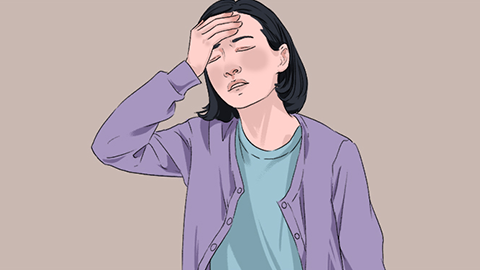
3. Excessive clothing: Wearing thick or non-breathable fabrics can hinder heat dissipation, causing body heat and possibly red skin. It is advisable to switch to breathable materials such as cotton and adjust clothing according to temperature to ensure proper cooling.
4. Hyperthyroidism: Excessive secretion of thyroid hormones accelerates metabolism and increases heat production, leading to persistent body heat, often accompanied by palpitations, excessive sweating, and weight loss. Under medical guidance, medications such as methimazole tablets, propylthiouracil tablets, and propranolol tablets may be used to relieve symptoms.
5. Autonomic nervous dysfunction: Long-term sleep deprivation and excessive stress can disrupt neural regulation, causing body heat along with insomnia, irritability, and dizziness. Patients may take prescribed medications such as oryzanol tablets, vitamin B1 tablets, and mecobalamin tablets to improve symptoms.
Maintain regular sleep patterns and avoid staying up late; eat a light, balanced diet rich in vegetables and fruits; engage in moderate exercise to strengthen physical health; maintain emotional stability; and adjust clothing promptly according to environmental changes.


