


What types of wounds are classified as level 3 bite injuries?

In general, a Level 3 bite wound refers to deep penetration through the skin layers accompanied by tissue damage or bites in special anatomical locations; minor epidermal injuries do not fall into this category. If in doubt, it is recommended to seek medical advice promptly. Detailed analysis is as follows:
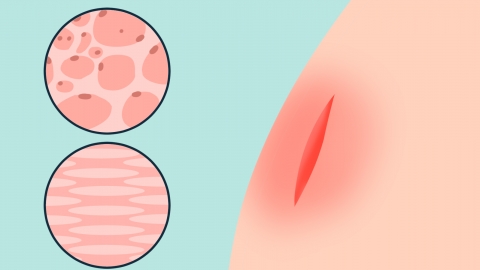
If a bite causes full-thickness skin injury extending into subcutaneous tissue, with obvious lacerations, significant bleeding that is difficult to control spontaneously, or associated muscle or tendon damage—even tissue loss—such wounds meet the criteria for Level 3 bites. These carry high risks of infection and complications and require professional medical treatment.
If the bite results only in minor abrasions or superficial scratches with minimal or no bleeding, or localized redness and swelling without breaking through the full thickness of the skin, such cases are not classified as Level 3 bites. They typically fall under Level 1 or Level 2 bites, which involve lower risks and different management approaches compared to Level 3 injuries.
After any bite injury, clean the wound immediately (rinse thoroughly with soapy water for at least 15 minutes), then disinfect with iodine solution. When uncertain about the severity of the wound, seek prompt medical evaluation by a healthcare professional. For Level 3 bites, follow medical advice regarding vaccine administration and closely monitor wound healing to prevent the spread of infection.


