


What to do about delayed encephalopathy after CO poisoning

Carbon monoxide (CO) poisoning refers to poisoning caused by inhaling carbon monoxide. Delayed encephalopathy following CO poisoning requires immediate removal from the toxic environment, maintaining airway patency, prompt oxygen therapy, symptomatic and supportive treatment, rehabilitation training, and more. If related symptoms occur, it is essential to immediately go to the emergency department of a正规 hospital.
1. Remove from the toxic environment: Quickly move the person to a well-ventilated area with fresh air. Loosen the collar and belt to maintain unobstructed breathing and prevent further inhalation of carbon monoxide, which could worsen the condition.
2. Maintain airway patency: Clear secretions from the mouth and nose, loosen tight clothing, and provide oxygen support promptly if abnormal breathing occurs, ensuring the airway remains unobstructed.
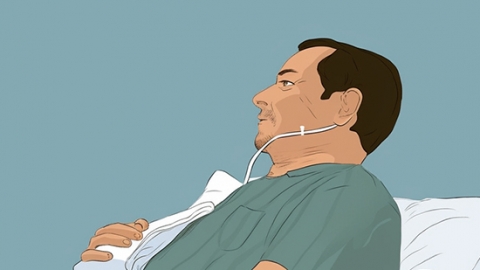
3. Prompt oxygen therapy: Administer high-flow oxygen or hyperbaric oxygen therapy as soon as possible to increase blood oxygen saturation, reduce hypoxic damage to brain tissue, and must be performed under the guidance of a qualified physician.
4. Symptomatic and supportive treatment: Use appropriate medications to relieve symptoms such as headache, dizziness, and impaired consciousness; maintain electrolyte and fluid balance; and protect vital organ functions including those of the heart and brain.
5. Rehabilitation training: Begin limb function and cognitive rehabilitation training as early as possible after the condition stabilizes. Progress gradually to restore physical function and reduce the risk of long-term complications.
In daily care, ensure the patient gets sufficient rest, provide light and easily digestible meals, keep warm to avoid cold exposure, maintain a quiet and comfortable environment, assist with appropriate physical activity, monitor changes in mental status, and support overall recovery.


