


Can a perforated eardrum heal on its own?

Under normal circumstances, the eardrum refers to the tympanic membrane. Whether a ruptured tympanic membrane can heal on its own depends on a comprehensive assessment of factors such as the severity of the rupture, the underlying cause, and the patient's individual condition. The specific analysis is as follows:
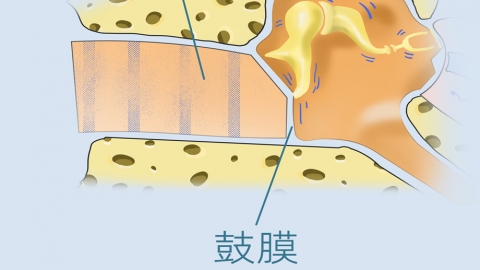
If the rupture is small, there is no infection, and it results from simple causes such as trauma, the tympanic membrane usually heals spontaneously. The eardrum has a strong regenerative capacity; if the edges of the tear are clean and there is no accompanying middle ear inflammation, the body can initiate a natural repair process. Under conditions of keeping the ear canal clean and dry, healing typically occurs gradually within 1 to 3 months, with hearing recovering accordingly.
However, if the rupture is large, accompanied by infection, or caused by chronic diseases, spontaneous healing is unlikely. Ongoing inflammation can continuously damage the eardrum tissue, hindering the healing process. Large perforations exceed the body’s natural regenerative ability, and ruptures resulting from conditions such as chronic otitis media or tumors will worsen without medical intervention, potentially leading to permanent hearing loss. In such cases, medical or surgical treatment is required for repair.
During bathing or hair washing, use earplugs to thoroughly protect the ears and strictly avoid water entering the ear canal. Do not insert objects into the ear or apply medications without medical advice, to prevent irritation of the injured area. Keep nasal passages clear and blow the nose gently to avoid pressure transmission to the middle ear. Maintain a balanced diet rich in nutrients to support tissue healing. If symptoms such as ear pain or pus discharge occur, indicating possible infection, seek medical attention immediately.


