


Can forcefully holding your breath through the nose rupture the eardrum?

Generally, whether forcefully holding one's breath through the nose can rupture the eardrum depends on the intensity of the breath-holding and the individual's eardrum tolerance. If discomfort occurs, prompt medical attention is recommended. The specific analysis is as follows:
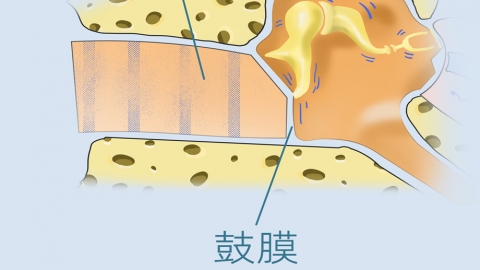
Rupture of the eardrum may occur when breath-holding is extremely forceful and the eardrum itself is fragile. The nasal cavity communicates with the middle ear via the Eustachian tube. Forceful breath-holding causes a sudden increase in nasal pressure, which is transmitted through the Eustachian tube to the middle ear. If the eardrum has been weakened by inflammation, injury, or if the pressure exceeds its tolerance limit, it may result in eardrum rupture, accompanied by symptoms such as ear pain, hearing loss, and tinnitus.
However, under normal breath-holding conditions or when the eardrum has good tolerance, the eardrum will not rupture. The eardrum possesses certain elasticity and pressure resistance. The mild pressure generated during everyday breath-holding can be normally regulated and released through the Eustachian tube, thus causing no damage. In individuals with healthy eardrums and no underlying ear conditions, even moderately forceful breath-holding can be buffered by the natural structure of the ear, preventing rupture.
Avoid frequent forceful breath-holding or nose-blowing, to reduce abnormal fluctuations in middle ear pressure. Protect the ears during bathing or hair washing to prevent contaminated water from entering and causing infection. Do not use sharp objects to clean the ears, to avoid accidental eardrum injury. Seek timely medical care for any ear discomfort, and avoid self-treatment that could worsen the condition. Maintain a regular lifestyle to enhance overall health.


