


Can a cyst behind the ear disappear on its own?

Generally, whether a postauricular cyst can disappear on its own depends on the nature, size of the cyst, and individual circumstances. A detailed analysis is as follows:
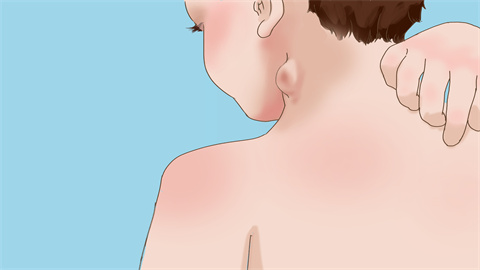
Small pseudocysts with mild inflammatory reactions may resolve spontaneously. These cysts often result from local trauma or pressure causing subcutaneous fluid accumulation. With thin cyst walls and good bodily absorption capacity, the accumulated fluid can gradually be metabolized and absorbed, leading to shrinkage and eventual resolution of the cyst. This process typically causes no significant pain, redness, or swelling, and improvement occurs without special intervention.
Congenital sebaceous cysts or larger cysts generally do not resolve on their own. Cysts formed by blocked sebaceous glands accumulate secretions behind an intact cyst wall that continues to produce contents, resulting in persistent cysts. Some may become infected, leading to redness, pain, or even rupture. Medical intervention is required in such cases, as the likelihood of spontaneous resolution is extremely low.
Maintain clean and dry skin behind the ear, avoiding frequent touching or squeezing of the cyst area. Dry the area thoroughly after bathing to prevent residual water from causing infection. Wear loose, soft clothing to minimize friction and irritation to the skin behind the ear. If you notice sudden enlargement, pain, or discharge from the cyst, seek medical evaluation promptly.


