


What causes a bitter taste in the throat?

A bitter taste in the throat may be caused by improper diet, poor sleep habits, gastroesophageal reflux disease (GERD), bile reflux gastritis, or chronic pharyngitis. Symptoms can be improved through dietary adjustments, better sleep routines, and medication. If symptoms persist or are accompanied by acid regurgitation or sore throat, prompt medical attention is recommended.
1. Improper diet: Long-term consumption of spicy or greasy foods, or excessive alcohol intake, can irritate the mucous membranes of the throat and digestive tract, leading to taste disturbances such as bitterness. It is recommended to eat a light diet, increase intake of fresh fruits and vegetables, drink plenty of water, and reduce consumption of spicy, greasy foods and alcohol.
2. Poor sleep habits: Breathing through the mouth during sleep can dry out the throat's mucous membrane, and lack of sleep may disrupt the body's metabolism, resulting in a bitter throat sensation. It is advised to adjust sleeping posture to avoid mouth breathing, and ensure 7–8 hours of sleep each night to improve metabolic function.
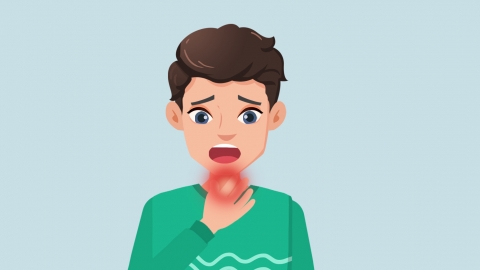
3. Gastroesophageal reflux disease (GERD): Relaxation of the lower esophageal sphincter allows stomach contents to flow back into the throat. Stomach acid irritation causes a bitter taste, often accompanied by acid regurgitation and a burning sensation behind the breastbone. Under medical guidance, patients may take medications such as omeprazole enteric-coated capsules, domperidone tablets, or aluminum magnesium carbonate chewable tablets to relieve symptoms.
4. Bile reflux gastritis: Dysfunction of the pylorus leads to bile flowing back into the stomach and then up into the throat. Bile components cause a bitter taste, often with bloating and belching. Under a doctor’s supervision, patients may use mosapride citrate tablets, ursodeoxycholic acid capsules, or sucralfate suspension to alleviate discomfort.
5. Chronic pharyngitis: Long-term inflammation irritates the pharyngeal mucosa, causing congestion, swelling, and increased secretions that lead to a bitter taste. Symptoms may include dryness, sore throat, and a sensation of a foreign body in the throat. Patients may use throat-clearing and soothing granules, watermelon frost lozenges, or compound borax mouthwash as directed by a physician to improve symptoms.
Maintain good oral hygiene by brushing teeth morning and night and rinsing after meals. Drink plenty of water to keep the throat moist, avoid overusing the voice, maintain regular and easily digestible meals, and engage in moderate exercise to strengthen overall health and reduce discomfort.


