


Will cleaning ears with hydrogen peroxide cause damage?

Under normal circumstances, whether using hydrogen peroxide to clean the ears will cause damage depends on the specific usage. If there is ear discomfort, it is recommended to seek medical attention promptly. The detailed analysis is as follows:
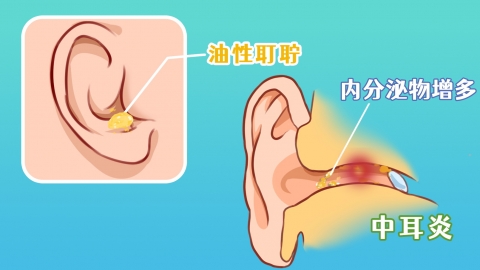
When used correctly under medical guidance, cleaning the ears with hydrogen peroxide generally does not cause harm. For conditions such as pus in the external auditory canal or cerumen impaction, medical-grade hydrogen peroxide can soften earwax and help clean discharge. When properly diluted before use, applied in drops, left for a short period, and gently cleared with controlled dosage, it can assist in ear care without damaging the ear canal or eardrum.
However, misuse or improper use may damage the ear. If the eardrum is perforated, hydrogen peroxide entering the middle ear may irritate the mucous membrane and trigger inflammation. Excessive concentration or frequent use can disrupt the natural microbial balance of the ear canal, leading to dry, damaged skin. Inserting cleaning tools deeply into the ear canal haphazardly may scratch the skin and worsen discomfort. In such cases, instead of providing proper care, new complications may arise.
When experiencing ear discomfort, first determine the underlying cause—do not self-treat by washing with hydrogen peroxide. After bathing, promptly dry the outer ear and avoid letting contaminated water enter the ear canal. Avoid using sharp objects to clean the ears to prevent injury to the skin or eardrum. Keep the ear canal dry, ensure good indoor ventilation, and avoid prolonged exposure to damp environments. Seek timely medical care for symptoms such as ear pain or pus discharge to receive appropriate treatment.


