Can torticollis be treated with surgery?
Nov 26, 2025
Source: Cainiu Health

Dr. Wang Lei
Introduction
Torticollis usually refers to head tilting caused by abnormal neck muscles. Whether surgical treatment is appropriate depends on the specific condition of the patient. If discomfort occurs, timely medical consultation is recommended. After the onset of torticollis symptoms, one should maintain proper sitting and standing posture, avoiding prolonged head-down positions or tilting the head to one side. Infants and young children may benefit from adjusting sleeping positions to encourage the head to turn toward the normal direction.
Torticollis usually refers to head tilting caused by abnormalities in the neck muscles. Whether surgical treatment is appropriate generally depends on the specific condition of the patient. If discomfort occurs, timely medical consultation is recommended. The detailed analysis is as follows:
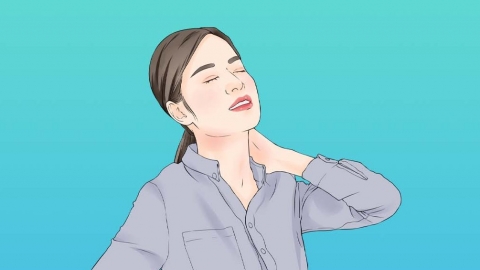
Surgical treatment may be considered for adult patients who do not respond to conservative therapy or for infants and young children with severe conditions. For infants over one year old, if a neck mass has not resolved, obvious head tilting and facial asymmetry are present, and conservative treatments fail to correct the deformity, surgery can effectively release the contracted muscles. In adult patients, long-term torticollis may lead to spinal curvature and visual impairment, especially when muscle contracture is severe; in such cases, surgery can improve neck function and appearance.
Patients with mild or early-stage conditions are not advised to undergo immediate surgery. For infants diagnosed with torticollis within a few months after birth and who have small neck masses, conservative interventions such as massage and traction may be tried first. In adults, if torticollis results from poor posture and muscle contracture is not severe, symptoms often improve with standardized rehabilitation exercises. These patients should avoid surgical risks and prioritize non-surgical management.
After developing torticollis symptoms, maintaining proper sitting and standing posture is important—avoid prolonged head-down positions or consistently tilting the head to one side. Infants can benefit from adjusted sleeping positions that encourage turning the head toward the normal side. Appropriate neck stretching exercises help relax tense muscles and promote blood circulation. Using a pillow of suitable height helps maintain the natural cervical spine curvature. Regular monitoring of symptom changes is essential to ensure that management strategies remain scientifically sound and effective.